Business License

Low Temperature TPU Material
Low Temperature TPU Material
The core of low-temperature TPU material lies in its ability to maintain flexibility and elasticity in extremely cold environments, making it less prone to brittleness and cracking. This characteristic makes it very useful in many special scenarios.
✨ Low temperature performance and selection considerations
To achieve excellent low-temperature resistance,It is crucial to choose the right type of TPU
Preferred polyether TPU:
This is the key to achieving ultra-low temperature resistance. The glass transition temperature (Tg) of polyether TPU can be very low, such as below -50 ℃, which means that it can still maintain softness and high elongation at break (up to 300% or more) at temperatures of -30 ℃ or even lower, and is not easily brittle.
Be cautious when choosing polyester TPU:
Polyester TPU has relatively poor low temperature resistance, and its Tg is usually around -20 ℃, so special attention should be paid when using it in cold regions.
Method to Performance improvement:
By adding flexible segments or plasticizers to the formula, the low-temperature ductility and impact resistance of TPU can be further improved. In addition, some specially modified TPU, such as low-temperature resistant flame-retardant TPU or antibacterial TPU, can also meet more complex application requirements.
???? Model recommendation:
There are various grades of low-temperature TPU materials available on the market, each with its own focus in different temperature ranges and application areas:
TPU DZ-64D:
This material has a glass transition temperature as low as -45 ℃, and can still maintain softness and elasticity in severe cold environments. At the same time, it can withstand high thermal shock in the short term (melting temperature 155 ℃), making it suitable for products such as phone cases, casters, shoe soles, etc. that require wide temperature stability.
BASF B95A from Germany:
Resistant to low temperatures up to -35 ℃, with excellent wear resistance and high elasticity, it is very suitable for use in fields such as sports shoes and industrial components that require strict performance.
Polyether TPU grades:
Such as 9380AU, 9385AU, 9390AU, 9395AU and other series, are particularly suitable for high humidity or water environments, such as water sports equipment and medical products, with excellent resistance to hydrolysis and low temperature.
???? Application scenarios:
Low temperature TPU has been widely used in multiple industries due to its unique properties:
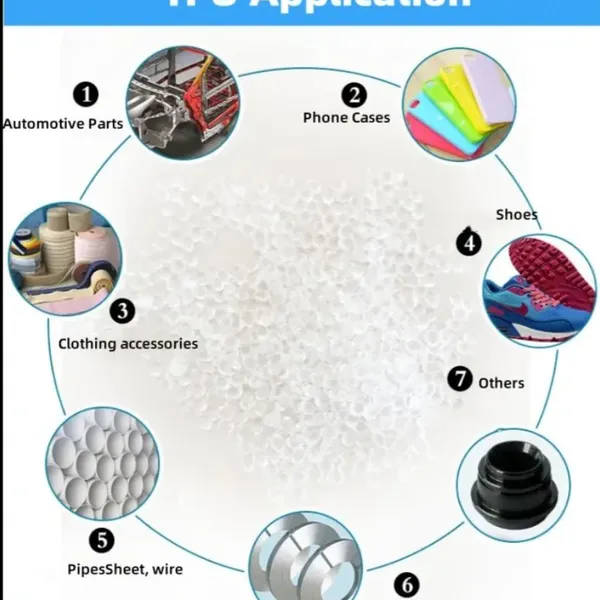
In the automotive field, it is used to manufacture components such as car seat ventilation bags, sealing strips, and casters. These components need to be repeatedly bent without breaking under the harsh winter conditions in the north.
Consumer electronics: As a material for mobile phone protective cases, it ensures that it does not become brittle at low temperatures and can effectively cushion the impact of falling; Also used for manufacturing connecting wires, protective films, etc.
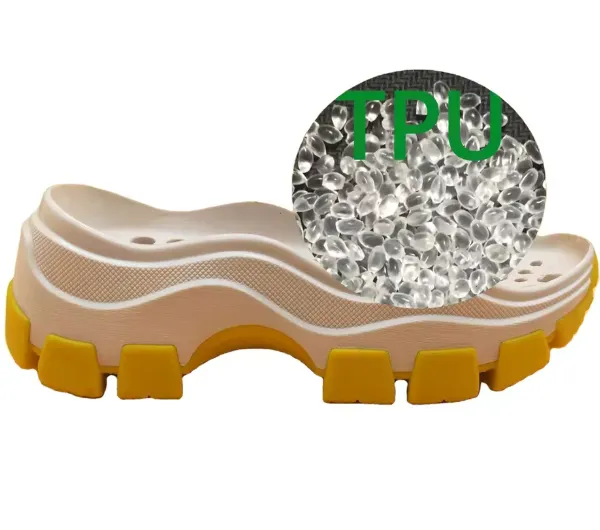
Shoe material: used for the sole and upper of shoes, ensuring that the shoes will not harden or crack in low temperature environments during winter, while maintaining good elasticity and comfort.
Medical and Outdoor: Used for manufacturing medical equipment, protective clothing, life-saving supplies, etc., these products need to maintain stable performance in various extreme environments.
✅ Core principles of material selection:
Choose the polyether type first,
as its low temperature resistance far exceeds that of the polyester type.
Check parameters:
Pay attention to the glass transition temperature (Tg) of the material, the lower the value, the stronger the cold resistance.
Based on specific application scenarios :
(such as whether flame retardancy, antibacterial, and hydrolysis resistance are required), choose modified TPU with corresponding functions
Recently Posted
-
TPU Resin for Fire Hoses: Why Polyurethane Wins Over PVC
September 3, 2026A fire department once retired a set of PVC-lined hoses after they became stiff and cracked at the folds during a cold-weather dri Read More
 -
Melt Flow Index in TPU: Why It Matters and How to Specify It
September 3, 2026An extrusion plant once switched TPU suppliers and kept every process setting unchanged, assuming that a similar hardness meant a Read More
 -
TPU Technical Data Sheet Reading Guide: Hardness, Tensile Strength, Elongation
September 3, 2026A purchasing engineer once compared two TPU granules with the same hardness number and chose the cheaper one based on the price co Read More
 -
TPU vs EVA: Material Differences for Footwear, Sports and Packaging Use
September 2, 2026A sports-goods brand once approved an EVA midsole for a running shoe line because EVA was cheaper and easy to mold. After a season Read More

Contact Us
Recommended Products
-
 Thermoplastic Polyurethane TPU Resin For Printing Ink TPU GranulesUS$ 2.22MOQ: 1 Kilogram
 -
Thermoplastic Polyurethane TPU Resin For Reflective Material/TPU Granules for Adhesion to Glass Microbeads and Gold Silver Powder. US$ 2.22MOQ: 1 Kilogram
-
Tunsing DS220 TPU Polyurethane Adhesive Powder for Heat TransferUS$ 2.22MOQ: 1 Kilogram
-
Thermoplastic Polyurethane TPU Resin For Reflective Material TPU GranulesUS$ 2.22MOQ: 1 Kilogram
-
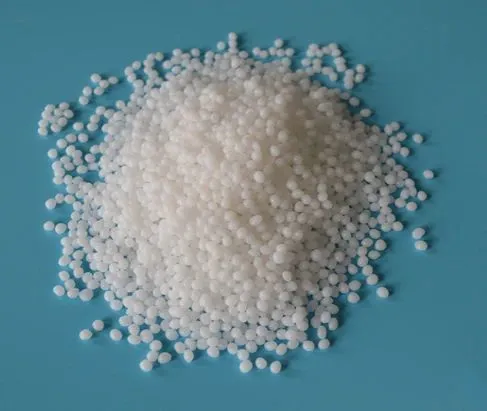
Factory Price TPU Resin TPU Granules KG Thermoplastic Polyurethane Powder for Sports Shoe Sole/Cable/Phone Case TPU PelletsUS$ 2.22MOQ: 1 Kilogram

-
Thermoplastic Polyurethane TPU Resin For Solvent-based Adhesive TPU GranulesUS$ 2.22MOQ: 1 Kilogram
-
Thermoplastic Polyurethane TPU Resin for Fire Hoses/Tpu Hot Melt AdhesivesUS$ 2.22MOQ: 1 Kilogram
-
Thermoplastic Polyurethane TPU Resin For Hot Melt Adhesive TPU GranulesUS$ 2.22MOQ: 1 Kilogram
-
Thermoplastic Polyurethane TPU Resin for Fire Hoses/Different Hardness TPU Pellets Virgin Plastic Raw MaterialUS$ 2.22MOQ: 1 Kilogram
-
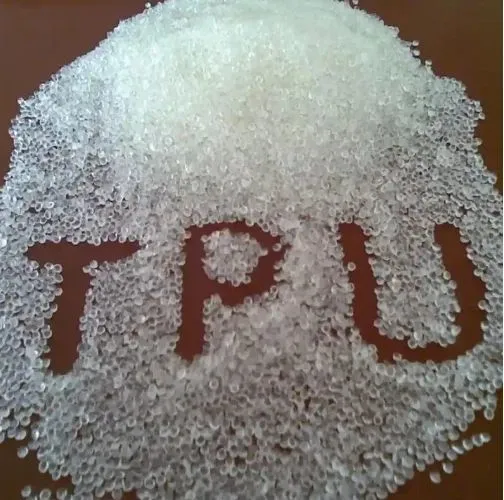
Thermoplastic Polyurethane TPU Resin For Fire Hose TPU GranulesUS$ 2.22MOQ: 1 Kilogram
-
Low Temperature Solvent Based Aliphatic Non-yellowing TPU Adhesive for Shoe TPU ResinUS$ 2.22MOQ: 1 Kilogram
-
Thermoplastic Polyurethane Glue Hot Melt Adhesive Grade High Viscosity TPU Resin For ShoesUS$ 2.04MOQ: 1 Kilogram
-
Low Temperature Hot Melt Adhesive Resin TPU Solvent Ester DissolutionUS$ 2.22MOQ: 1 Kilogram
-
Thermoplastic Polyurethane Glue Hot Melt Adhesive Grade High Viscosity TPU Resin for ShoesUS$ 2.22MOQ: 1 Kilogram
-
Thermoplastic Polyurethane Glue Hot Melt Adhesive Grade High Viscosity TPU Resin for ShoesUS$ 2.22MOQ: 1 Kilogram
-
Hot Melt Adhesive Grade TPU Thermoplastic Polyurethane Plastic Raw MaterialUS$ 2.22MOQ: 1 Kilogram
-
High Viscosity TPU Raw Materials Resin Adhesive Grade Thermoplastic Polyurethane TPU PelletUS$ 2.22MOQ: 1 Kilogram
-
60A-100A Low-temperature High Viscosity TPU Solvent Based Adhesive MaterialUS$ 2.22MOQ: 1 Kilogram
-
Low Temperature TPU 55A-85A Thermoplastic Polyurethane Granules TPU Resin Pellets for ShoesUS$ 2.22MOQ: 1 Kilogram
-
Thermoplastic Polyurethane Elastomer Granules TPU 65A Granules Polyurethane TPU Resin for ShoesUS$ 2.22MOQ: 1 Kilogram