Business License

TPU Technical Data Sheet Reading Guide: Hardness, Tensile Strength, Elongation
A purchasing engineer once compared two TPU granules with the same hardness number and chose the cheaper one based on the price column alone. The chosen material had lower tensile strength, and the molded brackets cracked in service, triggering a recall that cost far more than the savings. The numbers on a TPU data sheet are only useful when you know what they mean, how they were measured, and which ones matter for your part. This guide walks through the key sections of a TPU technical data sheet and explains how to read them without being misled.
1. Why the Data Sheet Is the Contract
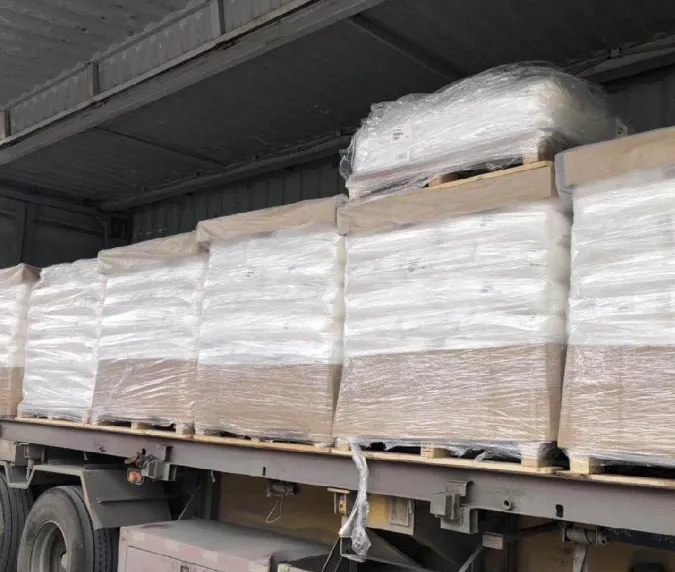
The technical data sheet is the written promise between supplier and buyer. It states the properties the material should deliver, the test methods used, and the typical values you can expect. Treat it as the reference document for incoming inspection, because a batch that does not match the data sheet signals a problem before production starts.
Two data sheets from different suppliers rarely look identical. Units differ, test methods differ, and some suppliers quote typical values while others quote minimum values. The first reading skill is recognizing these differences and converting everything to a common basis before comparing.
Keep the data sheet next to the purchase order and the test certificate. At Puyang Jialin Science and Technology Co Ltd, we supply a data sheet with each TPU product and encourage customers to verify incoming batches against it, because consistent material is the foundation of a stable process.
2. Hardness: The First Number, Read Correctly
Hardness is the headline number on most TPU data sheets, usually given as Shore A or Shore D. The scale must be stated, because 80A and 80D are completely different materials. A typical TPU range spans roughly 60A to 55D, and the hardness value predicts stiffness, feel, and load support more than any other single number.
Check how the hardness was measured. Readings from molded plaques, films, and pressed sheets can differ slightly, and the test standard matters. Some suppliers state a tolerance, typically plus or minus 2 to 3 points, which is normal for production batches and should be built into your part design.
Hardness alone does not define processability or durability. Two 85A grades from different suppliers can differ in melt flow, hydrolysis resistance, and abrasion behavior, which is why the rest of the data sheet deserves the same attention as the headline number.
3. Tensile Strength and Elongation: The Mechanical Core
Tensile strength is the maximum stress a TPU sample can take while being stretched, usually reported in MPa. Elongation at break is how far it stretches before breaking, reported as a percentage. Together they describe how strong and how stretchy the material is, and they define the envelope of mechanical use.
The table below shows how to interpret typical TPU tensile values. These ranges are for orientation and shift with the chemistry family and test speed.
| Property | Typical TPU Range | What It Tells You |
|---|---|---|
| Tensile strength | 25 to 70 MPa | Load the part resists before rupture |
| Elongation at break | 300% to 700% | Stretch tolerance before failure |
| Tear strength | 50 to 150 kN/m | Resistance to tear propagation |
| Compression set | 20% to 50% | Permanent deformation under load |
| Abrasion loss | Low to moderate | Wear resistance in service |
Test conditions matter more than most buyers realize. Tensile values depend on the strain rate, the sample thickness, and the conditioning, so a number from one data sheet cannot be compared directly with another unless the methods match. Always check the test standard line before comparing.
4. Melt Flow Index: The Processing Number
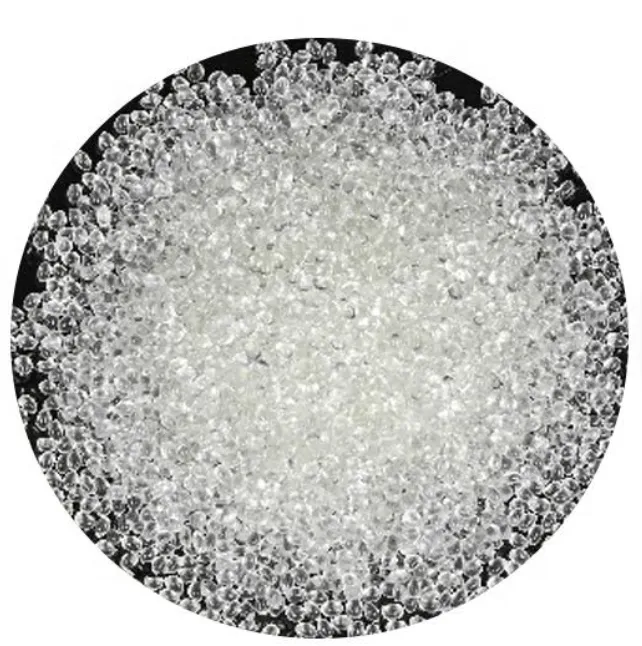
Melt flow index, or MFI, measures how easily the melted polymer flows under a fixed load and temperature. It is usually reported in grams per 10 minutes, and it is the quickest indicator of processing behavior. High MFI means low viscosity and easy flow; low MFI means stiffer melt and stronger melt strength.
Injection molding grades often sit in a mid-to-high MFI range to fill the mold, while extrusion grades need lower MFI so the melt holds its shape. Film casting and blow molding sit somewhere in between. A mismatch between MFI and the process is a common cause of short shots, sagging, or poor surface finish.
Ask the supplier for the MFI test conditions, because the same polymer reports different numbers at different loads and temperatures. Without the conditions, the MFI value is incomplete information, and comparing two numbers measured differently is meaningless.
MFI also correlates loosely with molecular weight, which in turn affects mechanical strength and durability. Within the same chemistry, a lower MFI usually means a tougher material, while a higher MFI often comes with easier processing. When both processing and strength matter, look for the grade that balances the two rather than the one with the easiest flow.
5. Thermal Properties: Melting Point and Service Window
The thermal section of the data sheet lists melting point, softening point, and sometimes the recommended processing temperature range. TPU melting points typically fall between 150 and 210 °C depending on the grade, and the processing window usually sits within that range for injection and extrusion.
Service temperature is a separate question from melting point. A TPU can melt at 190 °C but still soften or creep well below that under sustained load. Look for the stated continuous-use temperature and compare it with the hottest condition the part will see.
Low-temperature behavior appears on better data sheets as a brittleness or cold-flex value. This matters for outdoor, cold-climate, and refrigeration parts, because a grade that performs at room temperature can become brittle at -30 °C. Polyether-based grades generally hold their flexibility better in the cold than polyester-based ones.
Heat-aging data, when provided, shows how properties drift after sustained exposure. Some sheets list a retention percentage after a set number of hours at a given temperature, which is more useful than the melting point alone for parts that run hot. If the application holds sustained heat, request this data when the sheet does not include it.
6. Chemical Resistance: The Section People Skip
Chemical resistance tells you what the material tolerates: water, oils, solvents, acids, and cleaning agents. TPU resists many oils and fuels well, but its response to solvents varies, and prolonged water contact can matter depending on the polyol basis. This section is easy to skip and expensive to ignore.
Match the chemical list to the real environment. A hose that carries hot water needs a different chemical profile than a seal that sits in mineral oil. If the data sheet does not list the fluid you need, ask the supplier for the specific test data before choosing the grade.
Temperature multiplies chemical effects. Most chemical resistance ratings are valid at room temperature, and the attack rate rises as the temperature climbs. A fluid that barely affects TPU at 20 °C can cause swelling or cracking at 60 °C, so always read the chemical section together with the temperature rating.
7. Units and Test Methods: The Hidden Trap
The most common reading mistake is comparing values that use different units or methods. Tensile strength may appear in MPa, kg/cm², or psi, and hardness may use Shore A, Shore D, or Rockwell. Melt flow may use different loads and temperatures, so convert everything to one system before comparing any two materials.
Test standards also vary. Values measured under one standard may differ by 10% or more from those measured under another, even on the same material. Look for the standard reference in the data sheet, and when in doubt, ask the supplier to clarify the method behind each key number.
A quick conversion example makes the point: a tensile value of 40 MPa equals roughly 408 kg/cm² or 5,800 psi, and a Shore A 90 reading is not the same material as a Shore D 90 reading. Writing all candidates into one spreadsheet with matching units takes minutes and prevents the most common comparison error in plastics purchasing.
Our team at Puyang Jialin Science and Technology can help buyers reconcile data sheets from different sources, because we see these comparison problems regularly. A short conversation about test methods prevents the kind of mismatch that only shows up after production begins.
8. Typical vs Minimum: Reading the Fine Print
Suppliers state property values in different ways. Typical values describe what a standard batch achieves on average, while minimum values set the floor that every batch must meet. A design based on a typical value can fail if the material arrives at the minimum, so critical parts should be designed around the minimum where it is stated.
Watch for footnotes that qualify the numbers. A tensile value measured on a specific sample thickness may not apply to a thicker part, and a "dry as molded" note means the value assumes proper drying. These footnotes are easy to miss and can change the meaning of the entire table.
When a value matters for safety or warranty, confirm it in writing with the supplier rather than assuming it from the data sheet. Written confirmation creates a clear reference for incoming inspection and for any later dispute.
9. A Reading Routine That Works
Build a routine that takes five minutes per material. First, confirm the product name, grade, and revision date of the data sheet so everyone is looking at the same version. Second, check the hardness scale and value, the polyol basis, and the MFI with its conditions. Third, scan the mechanical table for tensile, elongation, and tear strength, and note the test standard.
Then check the thermal window and the chemical list against the service conditions. Finally, compare the candidate grades on a single spreadsheet with converted units, and mark which values are typical versus minimum. This routine catches most mismatches before any order is placed.
In a recent sourcing project, a customer compared three TPU granules using this routine and found that the cheapest option had a noticeably higher compression set, which would have caused sealing problems in their application. The slightly more expensive grade was selected, and the parts passed their validation on the first attempt.
10. FAQ
10.1 What is the most important number on a TPU data sheet?
There is no single number. Hardness is the quickest filter, but tensile strength, elongation, melt flow index, and chemical resistance all matter depending on the application. The most important number is the one that matches your critical requirement, which is why you should define the service conditions before reading the sheet rather than after. For a hose, chemical and hydrolysis resistance lead; for a molded bracket, tensile strength and hardness lead; for a film line, melt flow leads.
Write down the three properties your part cannot compromise, and read the data sheet against that list.
10.2 Why do TPU data sheets from different suppliers use different units?
Suppliers follow different regional conventions and test standards. Tensile strength can appear in MPa, kg/cm², or psi, and hardness can use several scales. The differences are harmless once you convert everything to one system, but comparing raw numbers without conversion is a common source of selection errors. Check the units line on every data sheet before starting the comparison, and note the test standard beside each key value.
A spreadsheet with converted, standardized values takes minutes to build and prevents the mismatch that only appears after production starts.
10.3 How do I know if a TPU data sheet value is reliable?
Check the test method and standard, the sample form, and whether the value is typical or minimum. Values with a stated standard and sample description are more reliable than bare numbers. For critical applications, confirm the values in writing with the supplier and verify incoming batches with your own tests. A reputable supplier will explain the method behind any number and provide test reports on request, so use that willingness as part of the evaluation.
If a supplier cannot describe how a value was measured, treat the number with caution regardless of how impressive it looks.
10.4 What does "dry as molded" mean on a TPU data sheet?
It means the property was measured on a sample molded from properly dried pellets. TPU absorbs moisture, and undried material produces bubbles and weaker parts, so the measured values would be lower. To reproduce the data sheet numbers, dry the pellets to the recommended moisture level, typically below roughly 0.05%, before processing. Drying conditions are stated on the data sheet and usually involve 80 to 100 °C for several hours, depending on the grade.
If your line skips drying, expect properties below the sheet and inconsistent parts, and do not blame the material for what the process caused.
Recently Posted
-
TPU Resin for Fire Hoses: Why Polyurethane Wins Over PVC
September 3, 2026A fire department once retired a set of PVC-lined hoses after they became stiff and cracked at the folds during a cold-weather dri Read More
 -
Melt Flow Index in TPU: Why It Matters and How to Specify It
September 3, 2026An extrusion plant once switched TPU suppliers and kept every process setting unchanged, assuming that a similar hardness meant a Read More
 -
TPU vs EVA: Material Differences for Footwear, Sports and Packaging Use
September 2, 2026A sports-goods brand once approved an EVA midsole for a running shoe line because EVA was cheaper and easy to mold. After a season Read More
 -
What Is TPU Hot Melt Adhesive? Composition, Working Principle and Applications
September 2, 2026A textile plant once ran a solvent-based adhesive line for years, accepting the ventilation costs and fire-safety paperwork as una Read More

Contact Us
Recommended Products
-
 Thermoplastic Polyurethane TPU Resin For Printing Ink TPU GranulesUS$ 2.22MOQ: 1 Kilogram
 -
Thermoplastic Polyurethane TPU Resin For Reflective Material/TPU Granules for Adhesion to Glass Microbeads and Gold Silver Powder. US$ 2.22MOQ: 1 Kilogram
-
Tunsing DS220 TPU Polyurethane Adhesive Powder for Heat TransferUS$ 2.22MOQ: 1 Kilogram
-
Thermoplastic Polyurethane TPU Resin For Reflective Material TPU GranulesUS$ 2.22MOQ: 1 Kilogram
-
Factory Price TPU Resin TPU Granules KG Thermoplastic Polyurethane Powder for Sports Shoe Sole/Cable/Phone Case TPU PelletsUS$ 2.22MOQ: 1 Kilogram

-
Thermoplastic Polyurethane TPU Resin For Solvent-based Adhesive TPU GranulesUS$ 2.22MOQ: 1 Kilogram
-
Thermoplastic Polyurethane TPU Resin for Fire Hoses/Tpu Hot Melt AdhesivesUS$ 2.22MOQ: 1 Kilogram
-
Thermoplastic Polyurethane TPU Resin For Hot Melt Adhesive TPU GranulesUS$ 2.22MOQ: 1 Kilogram
-
Thermoplastic Polyurethane TPU Resin for Fire Hoses/Different Hardness TPU Pellets Virgin Plastic Raw MaterialUS$ 2.22MOQ: 1 Kilogram
-
Thermoplastic Polyurethane TPU Resin For Fire Hose TPU GranulesUS$ 2.22MOQ: 1 Kilogram
-
Low Temperature Solvent Based Aliphatic Non-yellowing TPU Adhesive for Shoe TPU ResinUS$ 2.22MOQ: 1 Kilogram
-
Thermoplastic Polyurethane Glue Hot Melt Adhesive Grade High Viscosity TPU Resin For ShoesUS$ 2.04MOQ: 1 Kilogram
-
Low Temperature Hot Melt Adhesive Resin TPU Solvent Ester DissolutionUS$ 2.22MOQ: 1 Kilogram
-
Thermoplastic Polyurethane Glue Hot Melt Adhesive Grade High Viscosity TPU Resin for ShoesUS$ 2.22MOQ: 1 Kilogram
-
Thermoplastic Polyurethane Glue Hot Melt Adhesive Grade High Viscosity TPU Resin for ShoesUS$ 2.22MOQ: 1 Kilogram

-
Hot Melt Adhesive Grade TPU Thermoplastic Polyurethane Plastic Raw MaterialUS$ 2.22MOQ: 1 Kilogram
-
High Viscosity TPU Raw Materials Resin Adhesive Grade Thermoplastic Polyurethane TPU PelletUS$ 2.22MOQ: 1 Kilogram
-
60A-100A Low-temperature High Viscosity TPU Solvent Based Adhesive MaterialUS$ 2.22MOQ: 1 Kilogram
-
Low Temperature TPU 55A-85A Thermoplastic Polyurethane Granules TPU Resin Pellets for ShoesUS$ 2.22MOQ: 1 Kilogram
-
Thermoplastic Polyurethane Elastomer Granules TPU 65A Granules Polyurethane TPU Resin for ShoesUS$ 2.22MOQ: 1 Kilogram