Business License

TPU vs EVA: Material Differences for Footwear, Sports and Packaging Use
A sports-goods brand once approved an EVA midsole for a running shoe line because EVA was cheaper and easy to mold. After a season in the market, complaints about sole compression and bottoming-out arrived from heavier runners, and the brand had to re-engineer the shoe around a TPU-EVA hybrid. The redesign cost roughly three months of development time.
EVA and TPU are both light, flexible polymers, but they behave differently under load, temperature, and repeated use. This article compares them across footwear, sports, and packaging so buyers can choose with open eyes.
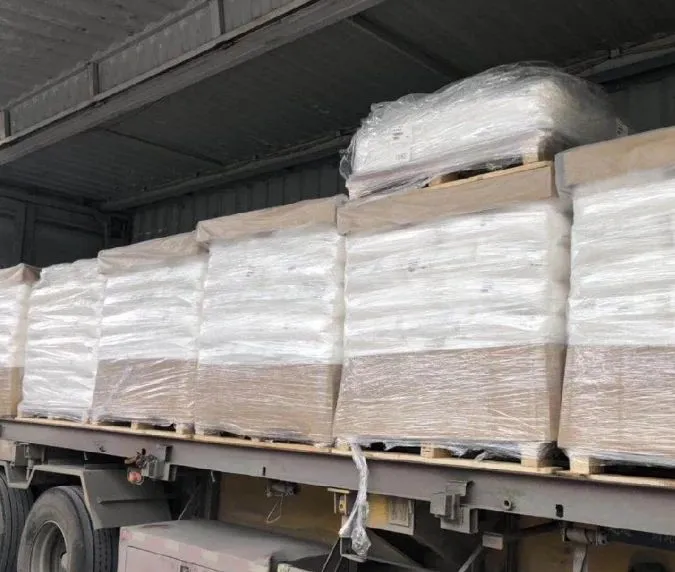
1. EVA and TPU: Two Materials, Two Personalities
EVA, or ethylene-vinyl acetate, is a soft, foamed polymer widely used in midsoles, mats, and packaging. It is inexpensive, light, and easy to mold, which is why it dominates budget-friendly foam products. Its weakness is durability: under repeated compression, EVA cells collapse and the material loses cushioning over time.
TPU, or thermoplastic polyurethane, is a tougher elastomer that does not rely on foam cells for cushioning. It returns to shape after compression, resists abrasion, and keeps its properties over a wider temperature range. The cost is higher and the processing is somewhat more demanding, but the performance ceiling is clearly higher.
Neither material is universally better. EVA wins on price and ease of processing, while TPU wins on durability, rebound, and temperature resistance. The right choice depends on the product's price point and the performance the user actually needs. Both polymers share the market precisely because they serve different halves of that equation.
2. Mechanical Properties Compared
Under load, the difference is easy to see. EVA compresses and gradually takes a set, which shows up as flat spots in shoe soles and sagging in mats. TPU compresses and returns, maintaining its geometry and cushioning for far longer. Rebound is another divider: TPU typically bounces back more quickly and completely.
Abrasion resistance also separates the two. TPU resists scuffing and wear much better than EVA, which is why TPU appears on exposed surfaces like outsoles, heel counters, and protective edges. EVA is usually protected inside the construction or used where wear is minimal.
The table below summarizes the property differences that matter most in product decisions.
| Property | EVA | TPU |
|---|---|---|
| Relative cost | Lower | Higher |
| Durability under compression | Moderate, loses cushioning | High, returns to shape |
| Rebound | Moderate | High |
| Abrasion resistance | Moderate | Excellent |
| Low-temperature flexibility | Fair, stiffens when cold | Good to excellent |
| Heat resistance | Moderate | Better |
| Processing | Easy, low temperature | Requires higher temperature and drying |
| Recyclability | Limited | Thermoplastic, reprocessable |
These differences explain the market split. EVA handles the comfort layers where load is moderate, and TPU handles the parts that take punishment, flex in the cold, or must keep their shape.
Weather resistance follows the same pattern. TPU resists UV and moisture better in most formulations, while EVA can yellow and stiffen after extended outdoor exposure unless it is stabilized. For products stored outdoors or used in sunlight, this aging behavior is as important as the initial mechanical numbers, because it decides how the product looks and performs six months later.
3. Footwear: Where the Two Materials Meet
In footwear, EVA is the classic midsole foam: light, comfortable, and cheap to produce. Running shoes, sandals, and casual shoes rely on EVA midsoles for initial cushioning. The problem appears over time, when the foam compresses and the shoe feels flat, which is why premium brands move to TPU or hybrid constructions.
TPU appears in several roles. TPU outsoles give grip and abrasion resistance, TPU films reinforce uppers and add structure, and TPU-based foam, a different product from solid TPU, offers cushioning that returns to shape far longer than EVA. Some brands use a TPU cage around an EVA midsole, combining EVA's light comfort with TPU's support.
For buyers sourcing materials, the question is which performance level the product targets. A value sandal can live with EVA throughout. A running or work shoe needs TPU in the high-wear and high-rebound zones, even if the main midsole stays EVA for weight reasons.
4. Sports and Protective Equipment
In sports equipment, TPU dominates where impact and repeated use meet. Protective pads, knee and elbow guards, and helmet liners use TPU film and foam for energy return and durability. Mats that take constant foot traffic last longer in TPU than in EVA, though the upfront cost is higher.
EVA remains strong in low-intensity products: yoga mats, children's play mats, and budget exercise equipment where price is the deciding factor. The foam feel is pleasant, and the compression problem takes longer to appear in low-load use. The choice is a performance-versus-price decision.
Outdoor gear adds a temperature dimension. TPU keeps its flexibility in cold weather, while EVA stiffens noticeably, which affects products used in winter or at altitude. Ski boot components, cold-weather insoles, and winter sports guards therefore lean toward TPU or TPU-rich blends. For any brand selling into cold markets, this single difference can decide the return rate.
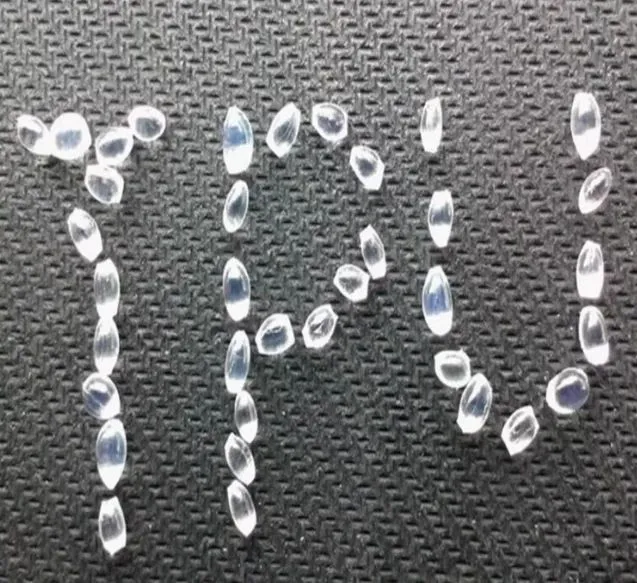
5. Packaging and Industrial Uses
In packaging, EVA appears in foam inserts, protective corners, and cushioning sheets where cost per part is critical. The foam absorbs one-time impacts well and is cheap to fabricate. For reusable packaging that must survive many cycles, TPU film and sheet offer better durability and a longer service life.
TPU also serves industrial roles EVA cannot, such as conveyor belts, hoses, seals, and vibration-damping mounts, where abrasion, oil resistance, and temperature range matter. These applications rarely consider EVA at all because the requirements exceed what EVA can deliver.
For consumer goods, the line between the two materials is often about feel. EVA has a soft, cushioned touch that consumers associate with comfort, while TPU feels firmer and more supportive. Product designers choose the visible material partly for this perception, which is why many premium products pair an EVA-feel core with TPU edges and reinforcements.
The packaging decision comes down to single-use versus reusable. If the packaging protects once and is discarded, EVA foam is the economical answer. If it circulates, gets handled, and must protect repeatedly, TPU film or sheet pays for itself over its service life.
6. Processing Differences Buyers Should Know
EVA processes at lower temperatures and is forgiving on simple molding equipment. It foams easily, which suits the lightweight products it is known for. The low processing temperature also means shorter cycle times on simple parts and lower energy use per part.
TPU needs higher melt temperatures, typically 170 to 210 °C for most grades, and the pellets must be dried before processing to avoid bubbles. Injection molding of TPU requires more pressure and careful gate design, and the material is less forgiving of sloppy settings. These differences affect tooling and operator skill.
For a buyer comparing quotes, the processing cost difference is real but often smaller than expected once scrap rates are included. EVA parts scrap quietly; TPU parts fail loudly if the process is wrong. A reliable supplier shares processing guidance and drying parameters, which keeps the learning curve short.
7. Cost Considerations: Price per Part, Not per Kilogram
EVA is cheaper per kilogram and lighter per volume, which makes it look economical on paper. The honest comparison uses cost per finished part over its expected life. A TPU component that lasts three times longer than an EVA component can be cheaper per year of service even at a higher material price.
Weight also plays a role. EVA foam is less dense, so a midsole of the same volume weighs less, which matters in footwear and sports goods. TPU is denser, so TPU-heavy designs must manage weight carefully, often by using thin TPU layers over EVA cores.
The practical approach is to define the product's service life and failure mode, then compare materials on that basis. Puyang Jialin Science and Technology Co Ltd supplies TPU granules, film resin, and adhesive materials for hybrid designs, and our team regularly helps brands and converters estimate the performance-per-cost trade-off before tooling is cut.
Do not forget the supply side. EVA is a commodity with many sources and stable pricing, while TPU grades vary more between suppliers in quality and consistency. When planning a product, confirm the TPU grade's batch consistency and lead time early, because a premium material with an unreliable supply chain is no better than a cheap one that cannot be delivered on schedule.
8. Two Cases from the Field
A while back, a mat manufacturer was using EVA foam for a gym mat and seeing surface wear within months. Switching the outer layer to TPU film doubled the mat's visible life, and the added cost was offset by fewer replacements and a stronger brand position.
Not long ago, a shoe brand asked us to evaluate a TPU heel counter for a walking shoe that had been using EVA. The TPU part held its shape through the whole test protocol, while the EVA version showed compression after a few thousand cycles. The brand moved the TPU part into production for the premium line.
9. How to Choose Between EVA and TPU
Start with the load, the temperature, and the expected service life. If the part compresses repeatedly, sees cold, or must survive abrasion, TPU is the safer choice. If the part is low-load, single-use, or price-critical, EVA remains a sensible default.
Then consider the construction. Many products are hybrids, using EVA for bulk comfort and TPU for the wear zones. This approach captures the cost advantage of EVA and the durability of TPU in the same product, and it is common in footwear, mats, and sports equipment.
Request samples of both materials for the actual part and test under realistic conditions. At Puyang Jialin Science and Technology, we can supply TPU granules and film samples for comparison trials, and we share processing parameters so the test reflects production reality rather than lab conditions.
A simple trial protocol saves time later. Mold or laminate identical test parts in both materials, measure the weight and dimensions, then run the parts through compression, abrasion, and temperature tests that match the intended use. The results usually separate the two materials clearly, and the numbers give the purchasing team a defensible basis for the material choice.
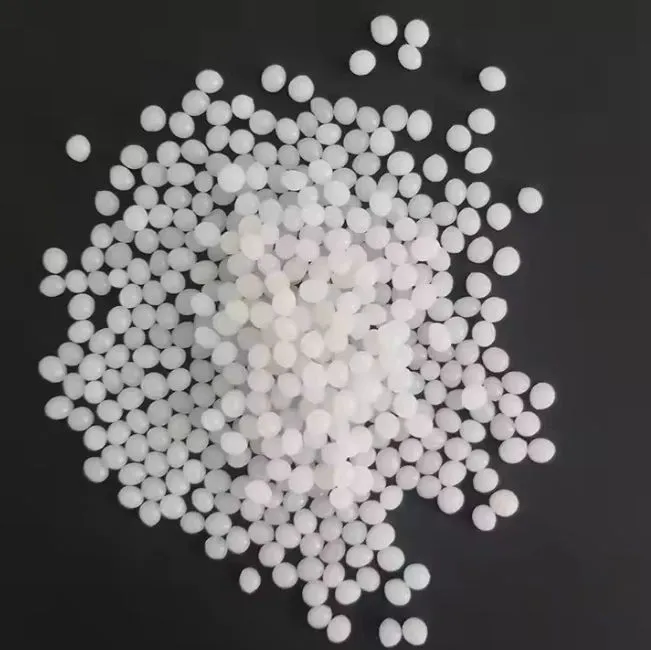
10. FAQ
10.1 Which is better for shoe soles, TPU or EVA?
It depends on the role. EVA is the common midsole foam because it is light and cheap, while TPU is stronger for outsoles, heel counters, and support parts that need abrasion resistance and rebound. Many shoes combine both: an EVA midsole for comfort with TPU in the high-wear areas for durability. For a running shoe, the midsole carries the cushioning duty and can stay EVA, while the outsole and heel counter take the wear and should be TPU.
Test the actual construction under the target load and use pattern before finalizing, because the split between the two materials changes the shoe's weight, feel, and service life.
10.2 Is TPU more expensive than EVA?
Yes, TPU costs more per kilogram and is denser, so a TPU part of the same volume is more expensive than an EVA part. The comparison should use cost per finished part over its service life. A TPU part that lasts much longer can be cheaper per year, which is why durability-driven products justify the premium. The weight difference matters too: EVA foam is lighter, so replacing an EVA midsole with solid TPU adds weight, which is why most designs use thin TPU layers rather than solid TPU where weight is critical.
Calculate cost per part including scrap and rework, because TPU's process demands can raise first-pass costs for a new line.
10.3 Can TPU be used instead of EVA in foam products?
TPU can be foamed, and TPU foam exists with better rebound and durability than EVA foam, but it is more expensive and needs different processing equipment. For many products, a hybrid approach works better: EVA foam for bulk comfort and TPU film or solid parts in the wear and support zones. TPU foam is made by chemical or physical foaming and produces a denser, tougher cell structure than EVA, which gives it longer cushioning life under repeated impact. If the product must keep its cushioning for years, compare TPU foam's cost against the replacement cost of EVA foam over the same period before deciding.
10.4 Why does EVA lose cushioning over time?
EVA cushioning comes from foam cells, and under repeated compression the cells collapse and the foam takes a set. This shows up as flat spots and reduced shock absorption in shoe soles and mats. TPU, by contrast, returns to its original shape after compression because its resilience comes from the polymer structure, not from fragile cells. The rate of compression depends on the load, the foam density, and the number of cycles, which is why high-mileage runners feel the difference sooner than light users.
For products expected to carry heavy loads for years, budget for EVA replacement or choose a TPU-based construction from the start.
Recently Posted
-
What Is TPU Hot Melt Adhesive? Composition, Working Principle and Applications
September 2, 2026A textile plant once ran a solvent-based adhesive line for years, accepting the ventilation costs and fire-safety paperwork as una Read More
 -
TPU Hot Melt Adhesive Film in Adhesive Tapes: Performance and Bonding
September 1, 2026A tape converter was losing a major account because their double-sided tape delaminated from a low-surface-energy fabric after a f Read More
 -
TPU Shore Hardness 60A–100A: What Each Range Means for Processing
August 31, 2026A converter received a TPU order specified as "80A" and assumed every 80A grade would process the same way. The first tr Read More
 -
How to Choose the Right TPU Grade: A Step-by-Step Selection Framework
August 28, 2026A buyer once selected a TPU grade purely by matching the Shore hardness number printed on a competitor's drawing. The part mol Read More

Contact Us
Recommended Products
-
 Thermoplastic Polyurethane TPU Resin For Printing Ink TPU GranulesUS$ 2.22MOQ: 1 Kilogram
 -
Thermoplastic Polyurethane TPU Resin For Reflective Material/TPU Granules for Adhesion to Glass Microbeads and Gold Silver Powder. US$ 2.22MOQ: 1 Kilogram
-
Tunsing DS220 TPU Polyurethane Adhesive Powder for Heat TransferUS$ 2.22MOQ: 1 Kilogram
-
Thermoplastic Polyurethane TPU Resin For Reflective Material TPU GranulesUS$ 2.22MOQ: 1 Kilogram
-
Factory Price TPU Resin TPU Granules KG Thermoplastic Polyurethane Powder for Sports Shoe Sole/Cable/Phone Case TPU PelletsUS$ 2.22MOQ: 1 Kilogram
-
Thermoplastic Polyurethane TPU Resin For Solvent-based Adhesive TPU GranulesUS$ 2.22MOQ: 1 Kilogram
-
Thermoplastic Polyurethane TPU Resin for Fire Hoses/Tpu Hot Melt AdhesivesUS$ 2.22MOQ: 1 Kilogram
-
Thermoplastic Polyurethane TPU Resin For Hot Melt Adhesive TPU GranulesUS$ 2.22MOQ: 1 Kilogram
-
Thermoplastic Polyurethane TPU Resin for Fire Hoses/Different Hardness TPU Pellets Virgin Plastic Raw MaterialUS$ 2.22MOQ: 1 Kilogram
-
Thermoplastic Polyurethane TPU Resin For Fire Hose TPU GranulesUS$ 2.22MOQ: 1 Kilogram
-
Low Temperature Solvent Based Aliphatic Non-yellowing TPU Adhesive for Shoe TPU ResinUS$ 2.22MOQ: 1 Kilogram
-
Thermoplastic Polyurethane Glue Hot Melt Adhesive Grade High Viscosity TPU Resin For ShoesUS$ 2.04MOQ: 1 Kilogram
-
Low Temperature Hot Melt Adhesive Resin TPU Solvent Ester DissolutionUS$ 2.22MOQ: 1 Kilogram
-
Thermoplastic Polyurethane Glue Hot Melt Adhesive Grade High Viscosity TPU Resin for ShoesUS$ 2.22MOQ: 1 Kilogram
-
Thermoplastic Polyurethane Glue Hot Melt Adhesive Grade High Viscosity TPU Resin for ShoesUS$ 2.22MOQ: 1 Kilogram
-
Hot Melt Adhesive Grade TPU Thermoplastic Polyurethane Plastic Raw MaterialUS$ 2.22MOQ: 1 Kilogram
-
High Viscosity TPU Raw Materials Resin Adhesive Grade Thermoplastic Polyurethane TPU PelletUS$ 2.22MOQ: 1 Kilogram
-
60A-100A Low-temperature High Viscosity TPU Solvent Based Adhesive MaterialUS$ 2.22MOQ: 1 Kilogram
-
Low Temperature TPU 55A-85A Thermoplastic Polyurethane Granules TPU Resin Pellets for ShoesUS$ 2.22MOQ: 1 Kilogram
-
Thermoplastic Polyurethane Elastomer Granules TPU 65A Granules Polyurethane TPU Resin for ShoesUS$ 2.22MOQ: 1 Kilogram