Business License

What Is Thermoplastic Polyurethane (TPU)? A Complete Guide for Industrial Buyers
A converter once ordered a "soft polyurethane" pellet for a cable jacket line and received a grade that cracked in the first cold-flex test. Roughly 4,000 meters of finished cable went to scrap, and the line sat idle for two days while the team hunted for a replacement. The root cause was not bad material; it was a gap in understanding what thermoplastic polyurethane actually is and how its properties are set. This guide covers the definition, chemistry, property ranges, and sourcing basics of thermoplastic polyurethane so that kind of mismatch does not happen again.
1. What Exactly Is Thermoplastic Polyurethane (TPU)?
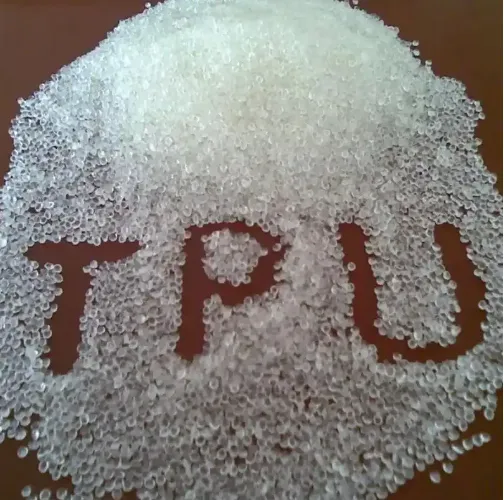
Thermoplastic polyurethane, almost always shortened to TPU, is a block copolymer made by reacting a diisocyanate with a polyol and a chain extender. Unlike thermoset rubber, it can be melted, reshaped, and reprocessed multiple times, which is why the "thermoplastic" part matters so much for production efficiency. The material sits between rigid plastics and soft rubber, offering elasticity plus the processability of a meltable polymer.
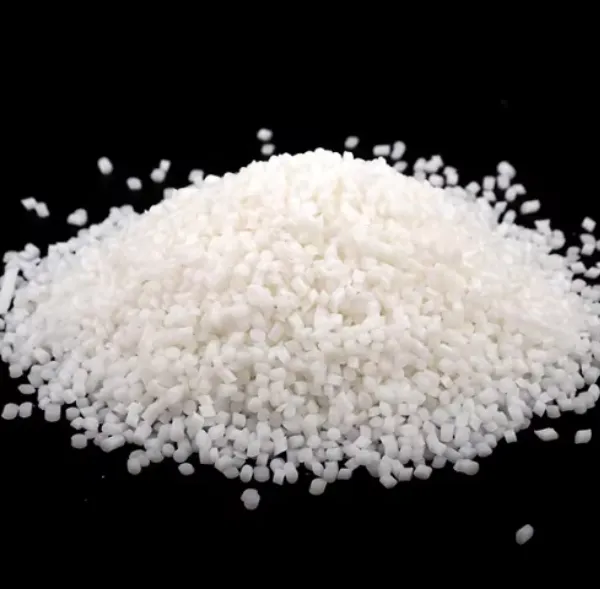
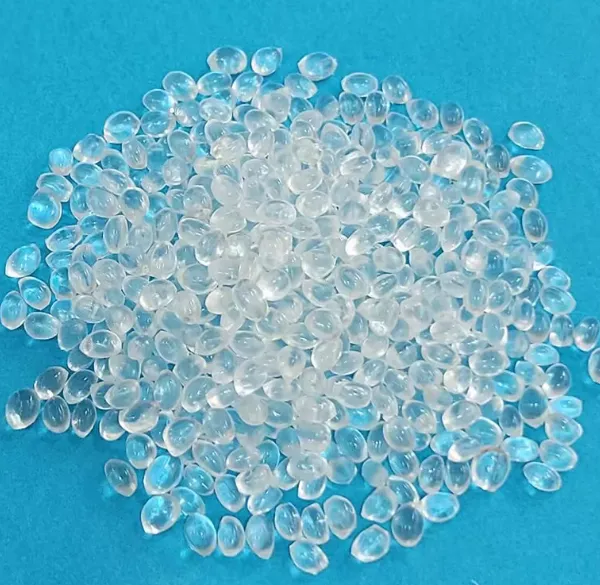
In practical terms, TPU feels rubbery at room temperature but behaves like a plastic when heated above its softening point. That dual nature lets manufacturers inject, extrude, blow, or calender it into films, tubes, sheets, granules, and adhesive powders. Puyang Jialin Science and Technology Co Ltd supplies thermoplastic polyurethane granules and powders used in hot melt adhesives, films, ink binders, and molded parts, and most of its grades are shipped as pellets that customers remelt at their own lines.
A useful way to think about TPU is as a polymer whose hardness, resilience, and chemical resistance can be tuned during synthesis. Two batches with the same hardness number can still differ noticeably in hydrolysis resistance or low-temperature flexibility, depending on the raw materials chosen. Buyers who only look at the hardness value are therefore taking a real risk, and this guide is built to show what else deserves attention.
2. The Chemistry Behind the Elasticity
The backbone of TPU is formed by hard segments and soft segments arranged in blocks. The hard segments come mainly from the diisocyanate and chain extender, and they give strength, hardness, and heat resistance. The soft segments come from the polyol, and they provide flexibility, low-temperature performance, and rebound.
Changing the ratio between these two segments shifts the final properties in a predictable way. A higher hard-segment content raises hardness, tensile strength, and melting point, while a higher soft-segment content improves elongation, low-temperature flexibility, and resilience. This is why TPU can span such a wide property window with the same basic chemistry.
The polyol type also matters. Polyester polyols give strong mechanical properties and abrasion resistance, polyether polyols give better hydrolysis and low-temperature behavior, and polycarbonate or polycaprolactone polyols sit in between with specific advantages. We will return to these families in a later section because they are often the deciding factor in a failed application.
3. Hardness, Density, and the Numbers Buyers See
Most TPU grades are specified by Shore hardness, typically on the A scale for soft-to-medium grades and the D scale for harder ones. A soft seal grade might be 70A, while a protective cover could be 95A or 50D. The number alone is only the beginning of a specification, but it is the first thing most data sheets show.
Beyond hardness, the properties that appear on nearly every TPU data sheet include tensile strength, elongation at break, tear resistance, density, and melt flow. These values are measured under standard conditions, and comparing them across suppliers only makes sense when the test methods match. A tensile value taken at a different strain rate cannot be compared directly with another.
The table below summarizes the typical ranges for a general-purpose TPU family. The ranges are meant for orientation, not as a substitute for a specific grade's data sheet.
| Property | Typical Range | What It Affects |
|---|---|---|
| Shore hardness | 60A to 55D | Feel, stiffness, load support |
| Density | 1.10 to 1.25 g/cm³ | Weight per part, material cost |
| Tensile strength | 25 to 70 MPa | Load resistance before breaking |
| Elongation at break | 300% to 700% | Flexibility and stretch tolerance |
| Melting point | 150 to 210 °C | Processing window, heat resistance |
| Service temperature | roughly -40 to 120 °C | Cold and hot environment limits |
Those ranges explain why TPU appears in so many industries. A fire hose needs tear strength and flexibility, a conveyor belt needs abrasion resistance, and a hot melt adhesive needs a controlled viscosity window. All of these can be served by the same polymer family with different formulations.
4. The Four TPU Families: Polyester, Polyether, Polycarbonate, Polycaprolactone
The choice of polyol is the single biggest differentiator between TPU grades aimed at different jobs. Polyester-based TPU offers high tensile strength, good abrasion resistance, and a reasonable cost, which makes it a default choice for many industrial parts. Its weak point is hydrolysis: in hot, humid conditions, the ester bonds can degrade over time.
Polyether-based TPU resists hydrolysis far better and keeps its flexibility at low temperature, so it is preferred for underwater, marine, and cold-climate applications. The trade-off is lower tensile strength and generally higher price. Polycarbonate-based TPU combines good hydrolysis resistance with strong mechanicals, and polycaprolactone-based TPU offers a balance with excellent low-temperature flexibility.
Puyang Jialin Science and Technology, as a supplier of polyester, polyether, polycarbonate, and polycaprolactone series TPU, regularly helps customers pick between these families. The right choice depends on the environment the part will live in, not just the hardness in the drawing.
5. How TPU Is Processed
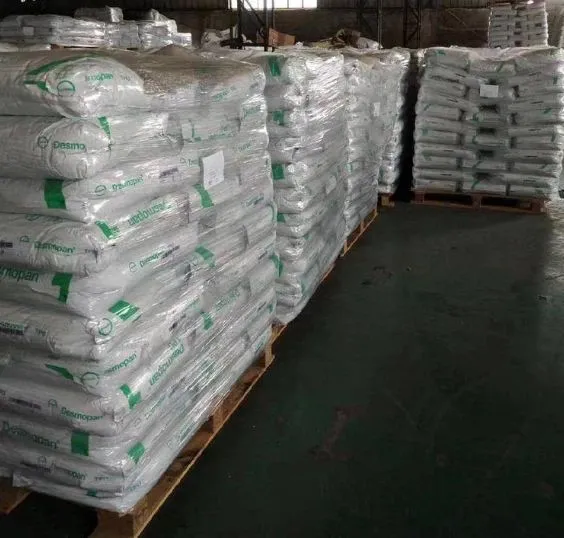
Because TPU is thermoplastic, it can be processed with conventional plastics equipment. Injection molding is common for seals, gaskets, phone cases, and small mechanical parts. Extrusion produces films, tubes, hoses, and profiles, while blow molding and calendering cover hollow parts and sheets.
For adhesive applications, TPU is often converted into hot melt adhesive powder or film, or dissolved into solvent-based systems. The melt-processing window is typically 170 to 210 °C for injection and extrusion, though the exact range depends on the grade. Drying before processing matters: TPU absorbs moisture, and undried pellets can produce bubbles and surface defects.
A common rule of thumb is to dry TPU pellets to a moisture level below roughly 0.05% before melting. Suppliers normally state the drying conditions on the data sheet, and Jialin's technical team also shares drying guidance with customers who buy TPU granules for the first time. Skipping this step is one of the most frequent causes of scrap in new TPU lines.
6. TPU in Adhesives: Hot Melt and Solvent Systems
TPU has a strong presence in the adhesive industry because it bonds difficult substrates and contributes toughness to the bond line. Hot melt adhesive based on TPU is applied molten and sets on cooling, with no solvent to evaporate. This makes it attractive for tape, film lamination, and powder coating lines that want to avoid solvent handling.
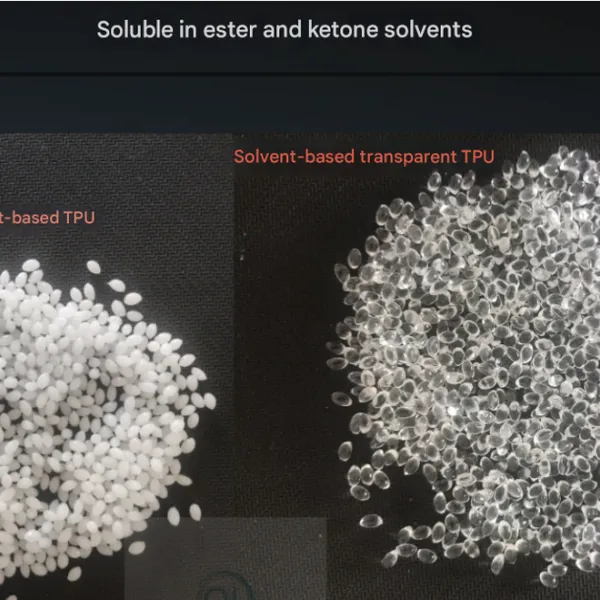
Solvent-based TPU adhesives are used where a liquid adhesive is easier to apply or where the bond must survive demanding peel and shear loads. The same polymer family serves both routes, which is convenient for a buyer who manages multiple adhesive lines. Thermoplastic polyurethane for adhesive use is typically supplied as pellets, powder, or film, depending on the application method.
Adhesive raw materials buyers often start with a hardness and viscosity target. A lower-hardness TPU gives a softer, more tacky adhesive, while a higher-hardness grade gives a stiffer bond with better heat resistance. Matching the adhesive to the substrate's surface energy is the next step, and this is where supplier experience earns its keep.
7. TPU vs Rubber vs PVC: Where Each Fits
Buyers frequently compare TPU with rubber and PVC because all three appear in hoses, films, and molded parts. Rubber offers strong elasticity and is often cheaper per kilogram, but it must be vulcanized, which adds process steps and limits scrap recycling. PVC is inexpensive and easy to process, but it plasticizes over time and can become stiff or brittle.
TPU competes on toughness, abrasion resistance, low-temperature flexibility, and recyclability. It can be reground and reprocessed like other thermoplastics, which reduces waste compared with thermoset rubber. The table below gives a compact comparison for the most common selection questions.
| Criterion | TPU | Rubber (thermoset) | PVC |
|---|---|---|---|
| Elasticity | High | Very high | Moderate |
| Abrasion resistance | Excellent | Good | Moderate |
| Recyclability | Yes | Limited | Yes |
| Processing | Melt processable | Vulcanization needed | Easy |
| Low-temperature flexibility | Good to excellent | Good | Poor to fair |
| Typical cost level | Higher | Varies | Lower |
None of these materials wins every category. TPU tends to win where durability and processing efficiency both matter, which is why it keeps displacing rubber and PVC in hose liners, cable jackets, and protective films. A part that flexes millions of cycles in a cold environment is a better candidate for TPU than for PVC.
8. A Field Example: From Granules to a Working Part
Some time ago, a fabric-lamination customer approached us with a recurring problem: their existing adhesive film lost bond strength when garments were washed at 60 °C. They had been using a low-cost film that softened in hot water. We suggested a polyether-based TPU hot melt film with a higher softening point, and they ran a trial on roughly 2,000 meters of fabric.
The wash-test results improved, and the bond survived repeated laundering cycles that had previously caused edge lifting. The customer moved the new film into regular production and reported fewer returns within the following months.
Another case involved a cable manufacturer that switched from PVC to TPU granules for a control cable jacket. The change reduced weight by about 15% per meter, improved cold flexibility, and eliminated the plasticizer-migration complaints from their end users. The transition took one week of trials because the extrusion settings needed adjustment.
9. What to Check Before You Order TPU
Before ordering thermoplastic polyurethane, clarify the application environment, the processing method, and the property targets. Write down the service temperature range, the chemical exposure, and the mechanical loads the part must survive. That list becomes the filter for narrowing grades.
Ask the supplier for the data sheet, the drying conditions, and the recommended processing window. Request a small trial batch if the application is critical, and run the test under realistic conditions rather than ideal lab conditions. A sample that passes in the lab but fails on the production line is a waste of everyone's time.
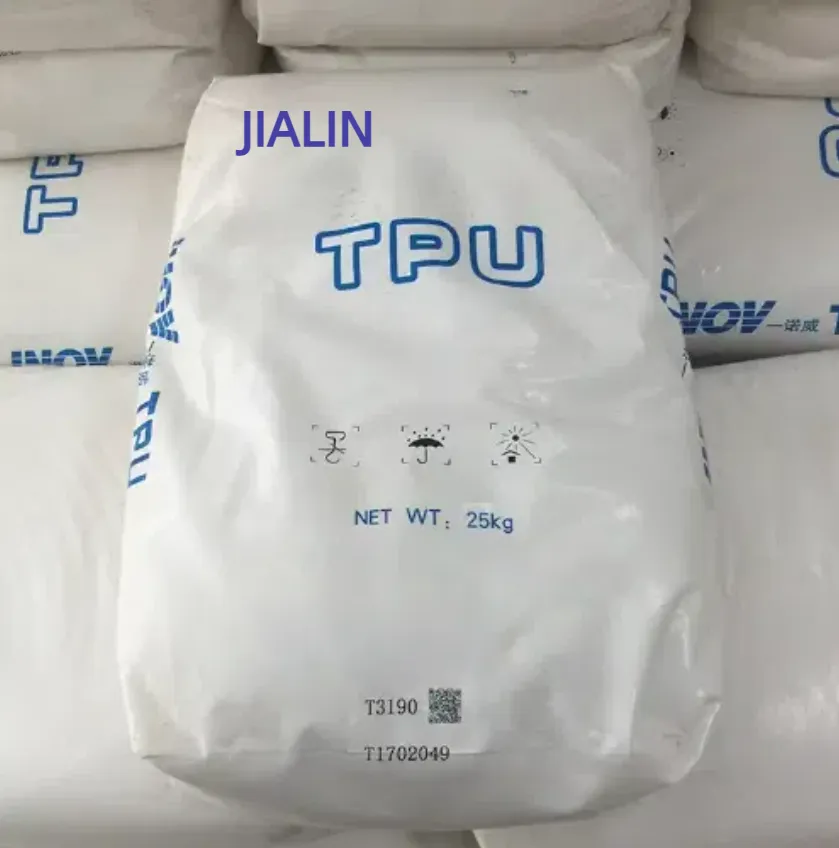
Verify the form of the material matches your line: granules for injection and extrusion, powder for hot melt coating, and film for lamination. Our team at Puyang Jialin Science and Technology Co Ltd can help translate application requirements into a concrete grade recommendation, and we usually ask three questions before proposing a material: what the part does, what it touches, and how it is made.
10. FAQ
10.1 Is TPU the same as polyurethane (PU)?
TPU is a specific type of polyurethane that is thermoplastic, meaning it can be melted and reprocessed. Regular polyurethane often refers to thermoset or foam products that cannot be remelted. When a supplier talks about TPU granules, pellets, or films, they mean the thermoplastic form, which behaves differently from cast polyurethane in processing and recycling. Cast polyurethane is poured as a liquid and cured chemically, while TPU is melted like a plastic, which is why TPU can be processed on standard molding and extrusion equipment and why production scrap can be reground.
If your application needs remelt processing, thermoplastic polyurethane is the right branch of the polyurethane family.
10.2 Can TPU be recycled?
Yes. Because TPU is thermoplastic, production scrap and rejected parts can be reground and reprocessed, and post-consumer TPU can be recycled in many cases. The recyclability depends on the grade and the contamination level. Thermoset rubber, by contrast, cannot be remelted, which is one reason TPU is preferred in applications with tight waste-control requirements.
In practice, converters collect sprues, runners, and off-spec parts, dry them, and feed them back into the line, often at a 10 to 20% regrind ratio. Confirm the allowed regrind ratio with the supplier, because adding too much regrind can lower mechanical properties over repeated cycles.
10.3 Why does TPU absorb moisture and does it matter?
TPU contains polar groups that attract water, and absorbed moisture turns into steam bubbles inside the melt, causing surface defects and weak spots. Drying pellets to below roughly 0.05% moisture before processing is standard practice. Most suppliers list drying temperature and time on the data sheet, and skipping this step is a common cause of scrap in new lines. Typical drying conditions are 80 to 100 °C for two to four hours, depending on the grade and the ambient humidity.
A simple moisture check or a stable drying schedule protects the line, and the habit is especially important in humid climates where pellets absorb moisture quickly during storage.
10.4 What is the difference between TPU granules and TPU powder?
Granules are small pellets used for injection molding, extrusion, and remelting, while powder is a finely ground form used for hot melt adhesive coating, powder lamination, and compounding. The choice depends on the application method. Adhesive film producers often start from granules and cast film themselves, while textile coaters frequently buy ready powder for scatter coating. Granules are easier to handle, dry, and feed, while powder gives finer coverage control and a thinner bond line.
Consider the equipment you already own, because switching between the two forms usually means a change in feeding and application hardware.
Recently Posted
-
Polyester-Based vs Polyether-Based TPU: Which One Fits Your Application?
August 27, 2026A seal manufacturer once standardized on one TPU grade across all products to simplify inventory. The grade worked well in dry equ Read More
 -
Low Temperature TPU Material
March 30, 2026&nbs Read More
 -
TPU Adhesive for Shoe-2
March 30, 20262. Introduction to TPU adhesive raw materials for shoesPolyol (a) Polyester Polyol ◆ is formed by esterification and dehydration o Read More
 -
TPU Adhesive for Shoe-1
March 26, 2026The adhesive used for shoemaking has evolved from early yellow rubber (chlorinated rubber), liquid glue paste (chlorinated rubber Read More

Contact Us
Recommended Products
-
 Thermoplastic Polyurethane TPU Resin For Printing Ink TPU GranulesUS$ 2.22MOQ: 1 Kilogram
 -
Thermoplastic Polyurethane TPU Resin For Reflective Material/TPU Granules for Adhesion to Glass Microbeads and Gold Silver Powder. US$ 2.22MOQ: 1 Kilogram
-
Tunsing DS220 TPU Polyurethane Adhesive Powder for Heat TransferUS$ 2.22MOQ: 1 Kilogram
-
Thermoplastic Polyurethane TPU Resin For Reflective Material TPU GranulesUS$ 2.22MOQ: 1 Kilogram
-
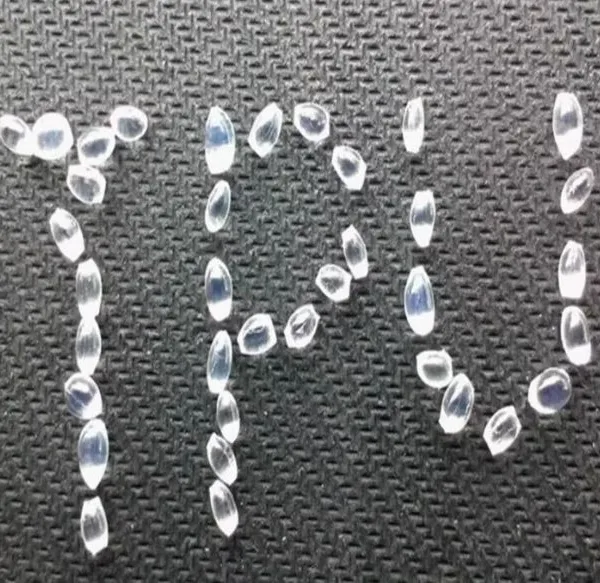
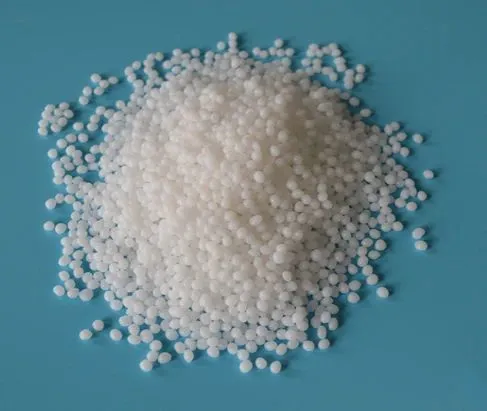
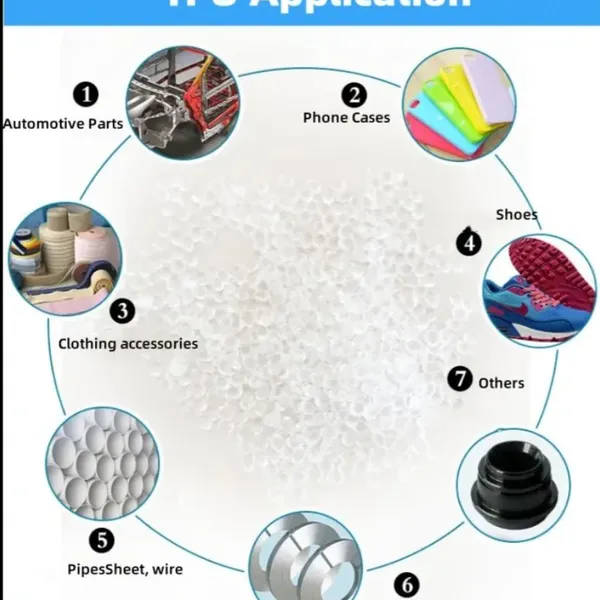
Factory Price TPU Resin TPU Granules KG Thermoplastic Polyurethane Powder for Sports Shoe Sole/Cable/Phone Case TPU PelletsUS$ 2.22MOQ: 1 Kilogram
-
Thermoplastic Polyurethane TPU Resin For Solvent-based Adhesive TPU GranulesUS$ 2.22MOQ: 1 Kilogram
-
Thermoplastic Polyurethane TPU Resin for Fire Hoses/Tpu Hot Melt AdhesivesUS$ 2.22MOQ: 1 Kilogram
-
Thermoplastic Polyurethane TPU Resin For Hot Melt Adhesive TPU GranulesUS$ 2.22MOQ: 1 Kilogram
-
Thermoplastic Polyurethane TPU Resin for Fire Hoses/Different Hardness TPU Pellets Virgin Plastic Raw MaterialUS$ 2.22MOQ: 1 Kilogram
-
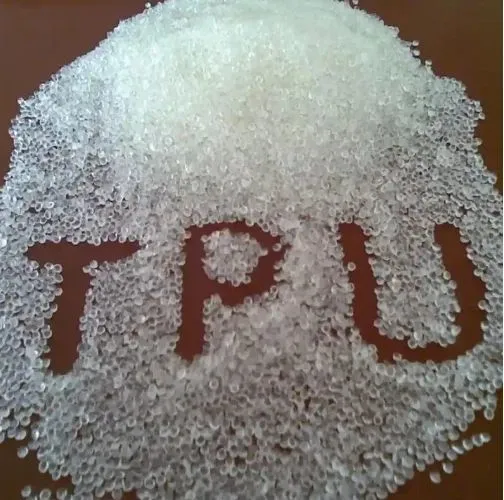
Thermoplastic Polyurethane TPU Resin For Fire Hose TPU GranulesUS$ 2.22MOQ: 1 Kilogram
-
Low Temperature Solvent Based Aliphatic Non-yellowing TPU Adhesive for Shoe TPU ResinUS$ 2.22MOQ: 1 Kilogram
-
Thermoplastic Polyurethane Glue Hot Melt Adhesive Grade High Viscosity TPU Resin For ShoesUS$ 2.04MOQ: 1 Kilogram
-
Low Temperature Hot Melt Adhesive Resin TPU Solvent Ester DissolutionUS$ 2.22MOQ: 1 Kilogram
-
Thermoplastic Polyurethane Glue Hot Melt Adhesive Grade High Viscosity TPU Resin for ShoesUS$ 2.22MOQ: 1 Kilogram
-
Thermoplastic Polyurethane Glue Hot Melt Adhesive Grade High Viscosity TPU Resin for ShoesUS$ 2.22MOQ: 1 Kilogram
-
Hot Melt Adhesive Grade TPU Thermoplastic Polyurethane Plastic Raw MaterialUS$ 2.22MOQ: 1 Kilogram
-
High Viscosity TPU Raw Materials Resin Adhesive Grade Thermoplastic Polyurethane TPU PelletUS$ 2.22MOQ: 1 Kilogram
-
60A-100A Low-temperature High Viscosity TPU Solvent Based Adhesive MaterialUS$ 2.22MOQ: 1 Kilogram
-
Low Temperature TPU 55A-85A Thermoplastic Polyurethane Granules TPU Resin Pellets for ShoesUS$ 2.22MOQ: 1 Kilogram
-
Thermoplastic Polyurethane Elastomer Granules TPU 65A Granules Polyurethane TPU Resin for ShoesUS$ 2.22MOQ: 1 Kilogram