Business License

What Is TPU Hot Melt Adhesive? Composition, Working Principle and Applications
A textile plant once ran a solvent-based adhesive line for years, accepting the ventilation costs and fire-safety paperwork as unavoidable. When a new regulation forced a solvent-handling audit, the plant discovered the line had been running at roughly 60% of its permitted throughput to stay within emission limits. Switching to TPU hot melt adhesive removed the solvent problem entirely and raised line speed by about 30%. This article explains what TPU hot melt adhesive is, how it works, and where it makes sense for industrial buyers.
1. What Is TPU Hot Melt Adhesive?
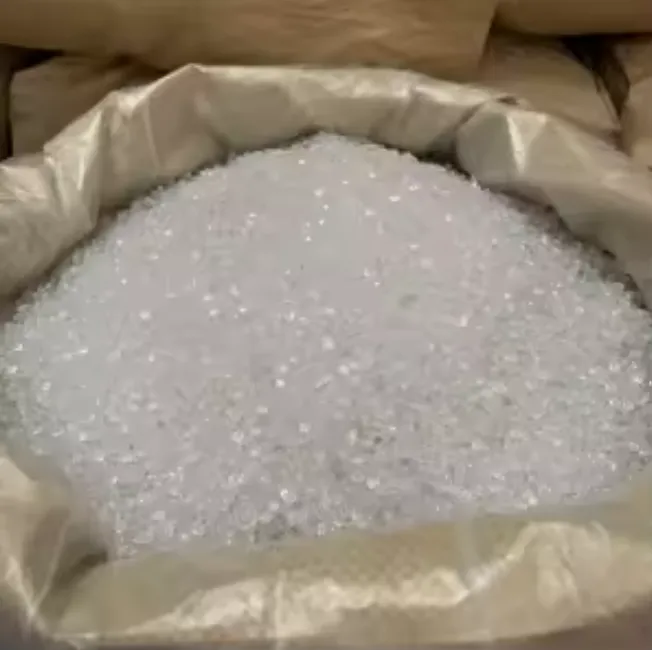
TPU hot melt adhesive is a solvent-free adhesive made from thermoplastic polyurethane resin. It is solid at room temperature, melts when heated, and forms a bond as it cools and sets. Because the entire adhesive layer is the polymer itself, there is no water or solvent to evaporate and no curing reaction to wait for.
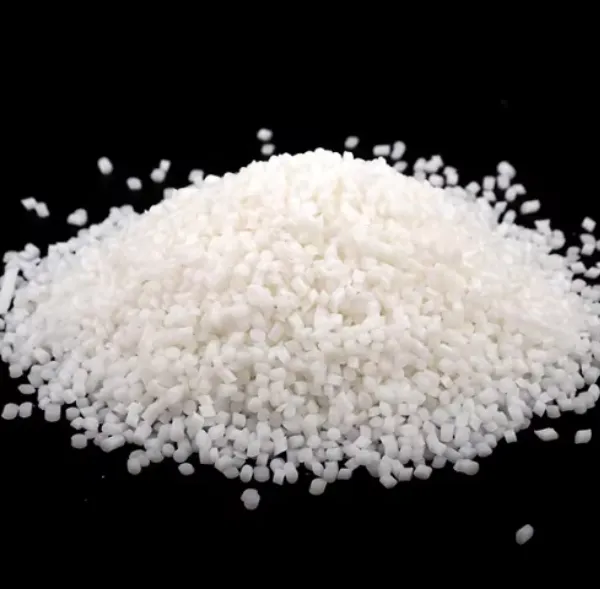
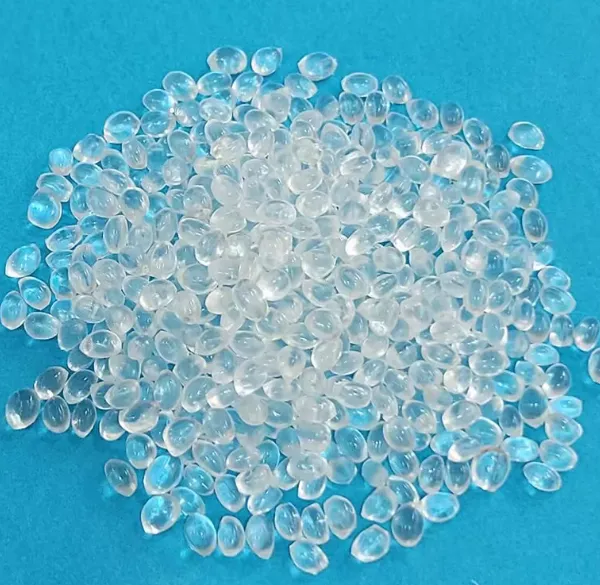
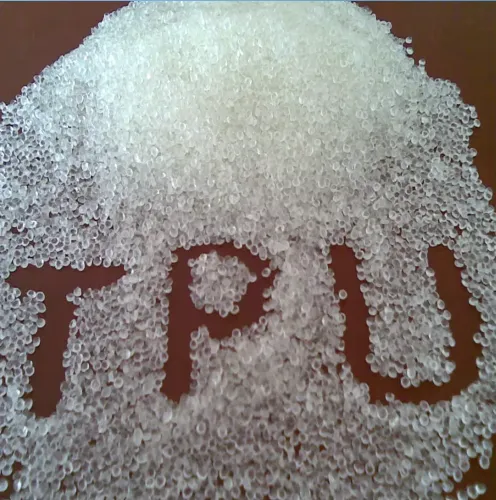
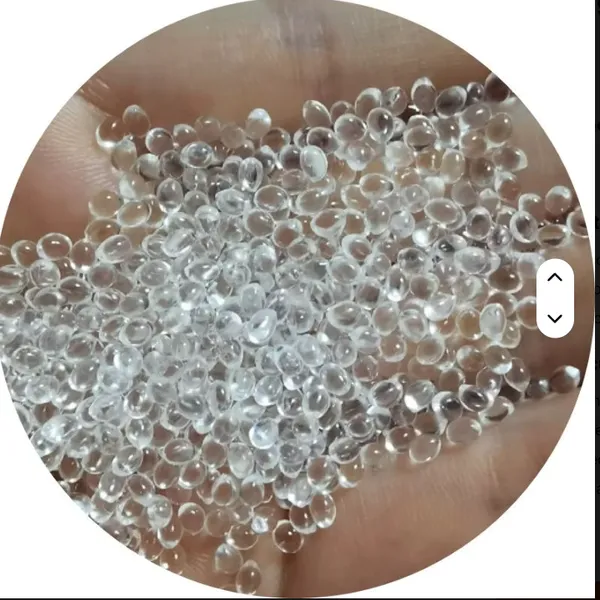
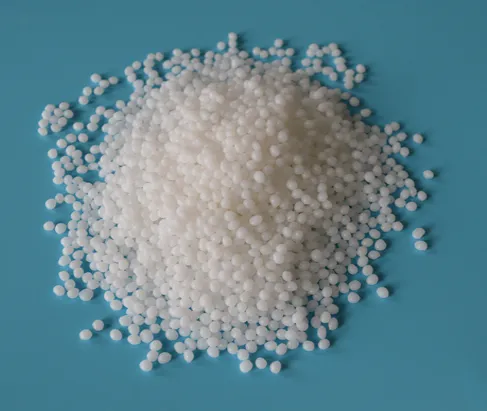
The material reaches the market in several forms. Adhesive powder is scattered or sprayed onto surfaces, film is placed between layers and activated with heat and pressure, and granules or pellets are melted in an application system and applied like a hot glue. All forms use the same TPU chemistry, and the choice depends on the production line.
Puyang Jialin Science and Technology Co Ltd supplies TPU hot melt adhesive materials in granular and powder form, together with TPU resin for customers who cast their own adhesive film. The same polymer family serves tape, textile, footwear, and industrial bonding, which keeps the raw-material list short for converters that make several adhesive products.
2. The Composition of TPU Hot Melt Adhesive
A TPU hot melt adhesive is mostly TPU resin, and the resin determines the bond strength, flexibility, and heat resistance. The polyol basis inside the resin matters: polyester-based TPU gives strong bonds and good heat resistance, while polyether-based TPU resists moisture and stays flexible in the cold. Some formulations add tackifier resins to improve initial grab on difficult substrates.
Additives play a smaller but still important role. Antioxidants protect the melt during processing, UV stabilizers slow yellowing in outdoor use, and plasticizers or fillers adjust stiffness and cost. The additive package is usually a few percent of the total weight, and it is tailored to the application rather than left generic.
Buyers should ask which polyol basis a hot melt adhesive uses, because it predicts how the bond behaves in humid or cold service. A polyester-based grade that works on dry textiles may fail in marine lamination, and the reverse is true for cost-sensitive dry applications where a polyether grade is overkill.
Formulation tuning is how suppliers match a generic resin to a specific job. Raising the hard-segment content increases bond stiffness and heat resistance, while a higher soft-segment share improves flexibility and cold performance. This is why two TPU hot melt adhesives with the same hardness can feel and bond differently, and why buyers should specify the required service conditions rather than a single property.
3. How TPU Hot Melt Adhesive Works
The working principle has four stages: heat, flow, wet, and set. The adhesive is heated to its melting range, typically 120 to 180 °C depending on the grade. The molten polymer flows onto the substrate, wets the surface at the microscopic level, and then cools to form a solid bond.
Wetting is the step that decides bond quality. A molten TPU that flows well spreads into the surface texture of the substrate and creates mechanical anchoring. If the temperature is too low, the melt is too thick to wet properly, and the bond fails at low strength even though it looks intact.
Setting is fast because the polymer solidifies on cooling. This speed is a major production advantage: a bond line can reach handling strength within seconds, allowing continuous lamination and high line speeds. There is no drying tunnel, no curing rack, and no waiting period before the next process step.
4. The Four Forms and How to Choose
Powder form is used for scatter coating, where the powder is spread on a substrate and activated by heat. It suits textile lamination, embroidery backing, and selective bonding. Film form gives a uniform bond line and is common in tapes, garment interlining, and precise lamination. Granules are melted in a tank or gun system for edge banding, profile wrapping, and bonding lines.
The table below compares the forms so buyers can match the product to their process.
| Form | Application Method | Typical Uses | Key Advantage |
|---|---|---|---|
| Powder | Scatter or spray, then heat | Textile lamination, embroidery | Selective coverage, low cost per area |
| Film | Place between layers, heat and press | Tapes, interlining, membranes | Uniform thickness, clean bond line |
| Granules | Melt in tank or gun | Edge banding, profile wrapping | High output, continuous feed |
| Pellets for resin | Compound into adhesive or film | Adhesive producers | Flexibility in formulation |
The form decision usually follows the line that already exists. A plant with a scatter-coating line should start with powder, while a plant with a lamination press should evaluate film first. Changing the form usually means changing the equipment, so the process is the anchor.
5. Key Performance Properties
The properties that matter most in hot melt adhesive are bond strength, heat resistance, flexibility, washing resistance, and open time. Open time is the window during which the adhesive stays tacky enough to bond; a long open time helps positioning, while a short one forces fast assembly.
TPU adhesives typically deliver strong peel and shear bonds on textiles, foams, and many plastics, with good flexibility down to low temperatures. Their heat resistance depends on the grade, with harder polyester-based versions holding up to roughly 100 °C and sometimes higher. Washing resistance is strong enough for apparel and footwear that go through repeated laundering.
One practical note: TPU hot melt adhesive bonds by cooling, so it cannot be used where the service temperature exceeds its softening point. For applications that see sustained heat above the adhesive's limit, a thermoset system or a harder TPU grade is the right direction.
Viscosity at application temperature is the other number to watch. A higher-viscosity melt supports thicker bond lines and resists squeeze-out, while a lower viscosity wets smooth substrates more easily. In practice, converters balance viscosity against open time, because both are controlled by the same temperature dial: hotter means lower viscosity but shorter open time.
6. Where TPU Hot Melt Adhesive Is Used
Textile lamination is the largest use. TPU adhesive film or powder bonds fabric to fabric, fabric to foam, and fabric to film for sportswear, outerwear, and technical textiles. The bond stays flexible, survives washing, and does not stiffen the fabric noticeably.
Tapes and labels are another strong area. Double-sided tapes, seam tapes, and hem tapes made with TPU adhesive hold on difficult substrates and flex with the material. Footwear assembly uses TPU hot melt for upper bonding, toe puffs, and lamination, where the fast set time keeps production moving.
Automotive and furniture applications add heat and moisture resistance to the requirement list, which favors polyester-based or special grades. The common thread across all these uses is a substrate that flexes or a product that gets washed, which is exactly where TPU chemistry outperforms brittle or water-sensitive adhesives.
In footwear, hot melt adhesive is often chosen for upper-to-sole bonding because the fast set time keeps assembly moving, and the flexible bond line follows the shoe's motion without cracking. In automotive interiors, seam tapes and lamination films made from TPU hold up to temperature cycling inside cabins, which is why converters serving that industry specify harder, heat-stable grades.
7. TPU Hot Melt Adhesive vs Solvent-Based Adhesive
The comparison comes down to process, safety, and performance. Solvent-based adhesives need ventilation, drying time, and careful waste handling, and their emissions are increasingly regulated. TPU hot melt adhesive has none of those burdens, because the polymer is 100% solids and the sole change on cooling is a phase change.
Performance differences exist too. Solvent-based systems can penetrate porous substrates deeply, which suits some absorbent materials, while hot melt bonds stay at the interface. For flexible, washable, and heat-tolerant bonds on most textiles and films, TPU hot melt matches or beats solvent systems while simplifying the factory.
Cost accounting should include the full picture: raw material price, ventilation and energy, solvent recovery, labor, and line speed. In our experience at Puyang Jialin Science and Technology, customers who switch from solvent to TPU hot melt often see the payback in faster lines and lower compliance costs rather than in the adhesive price alone.
8. Two Cases from the Field
A while back, a garment interlining producer was using a solvent-based adhesive and facing rising solvent costs. They switched to TPU hot melt adhesive powder on the same scatter-coating line, adjusted the heating profile, and cut the drying step entirely. Line output rose by roughly 25% and the finished interlining passed the same wash tests.
Another customer, a tape maker, needed a heat-activated adhesive for a hem tape that would survive industrial laundering. A polyether-based TPU hot melt adhesive film solved the delamination issue that had caused a series of returns, and the tape has run in regular production since then.
9. Sourcing TPU Hot Melt Adhesive Materials
When sourcing, define the substrate, the service conditions, and the production line first. State whether the product will be washed, exposed to weather, or heated, and note the lamination temperature the line can reach. These inputs let a supplier recommend powder, film, or granules in the right polyol family.
Request the melting range, open time, and recommended application temperature in writing, and confirm the form and particle size where relevant. For powder, particle size affects scatter uniformity; for film, thickness tolerance affects bond consistency. Both details show up in the finished product.
Ask for a trial batch sized for a real run, not a laboratory test. Puyang Jialin Science and Technology can supply TPU hot melt adhesive powder and granules in trial quantities, and our technical team shares application guidance so the first production run is a learning step rather than a problem.
10. FAQ
10.1 What temperature is needed to apply TPU hot melt adhesive?
Most TPU hot melt adhesives are applied in the 120 to 180 °C range, depending on the grade and the form. Powder and film are usually activated within this window, and granules are melted in a tank or gun at the same sort of temperature. The supplier's data sheet gives the exact range, and the substrate's heat tolerance sets the upper limit. For heat-sensitive fabrics, start near the lower end and extend the dwell time; for thicker bond lines, raise the temperature slightly to keep the melt fluid.
Always verify with a trial before committing the line, because the right temperature balances wet-out, open time, and substrate safety.
10.2 Can TPU hot melt adhesive replace solvent-based adhesive completely?
For most textile, tape, footwear, and film bonding jobs, yes, and the switch removes ventilation, drying, and solvent-handling costs. A few cases still favor solvent systems, such as bonding to highly absorbent porous materials where deep penetration is required. Evaluate the specific substrate and service conditions before committing the line. The change also affects process engineering: solvent lines need drying tunnels and ventilation, while hot melt lines need temperature-controlled applicators and a way to handle the fast set time.
Plan the transition in stages, starting with one product family, and measure scrap and line speed before and after the switch.
10.3 How long does a TPU hot melt bond take to set?
The bond sets as the polymer cools, and handling strength is usually reached within seconds for thin bond lines. Full strength develops as the bond line reaches room temperature. The fast set is a production advantage, but it also means parts must be aligned quickly, which is why open time is a key specification for assembly work. The exact set time depends on the adhesive thickness, the substrate temperature, and the ambient conditions.
Thin films on warm substrates set almost instantly, while thick bond lines on cold surfaces take longer. If parts must be repositioned after bonding, choose a grade with longer open time or hold the assembly temperature slightly higher during setup.
10.4 What is the difference between TPU hot melt adhesive powder and film?
Powder is scattered or sprayed and then activated by heat, which suits selective coverage and large areas. Film is a continuous layer placed between substrates and pressed under heat, which gives a uniform bond line. The choice depends on the line: scatter-coating equipment points to powder, and lamination presses point to film. Powder also allows different coverage patterns and can be mixed with other additives before scattering, while film is simpler to handle and gives repeatable results in continuous lamination.
Rough or textured surfaces often benefit from powder that fills the surface profile, while smooth surfaces bond cleanly with film, so the substrate is the second deciding factor.
Recently Posted
-
TPU vs EVA: Material Differences for Footwear, Sports and Packaging Use
September 2, 2026A sports-goods brand once approved an EVA midsole for a running shoe line because EVA was cheaper and easy to mold. After a season Read More
 -
TPU Hot Melt Adhesive Film in Adhesive Tapes: Performance and Bonding
September 1, 2026A tape converter was losing a major account because their double-sided tape delaminated from a low-surface-energy fabric after a f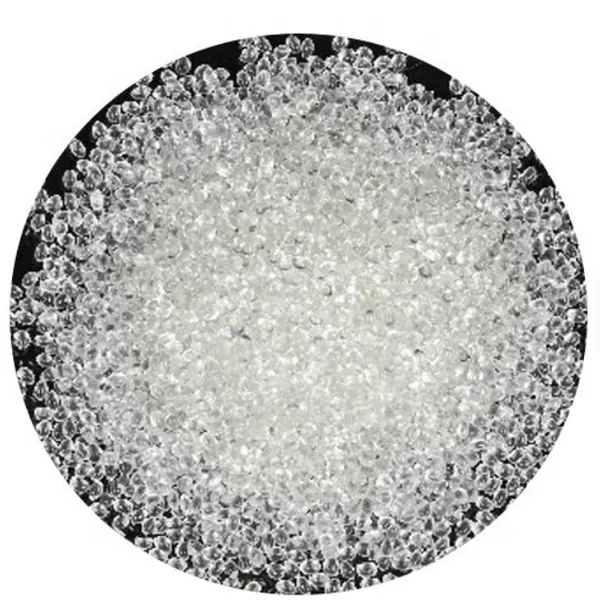 Read More
 -
TPU Shore Hardness 60A–100A: What Each Range Means for Processing
August 31, 2026A converter received a TPU order specified as "80A" and assumed every 80A grade would process the same way. The first tr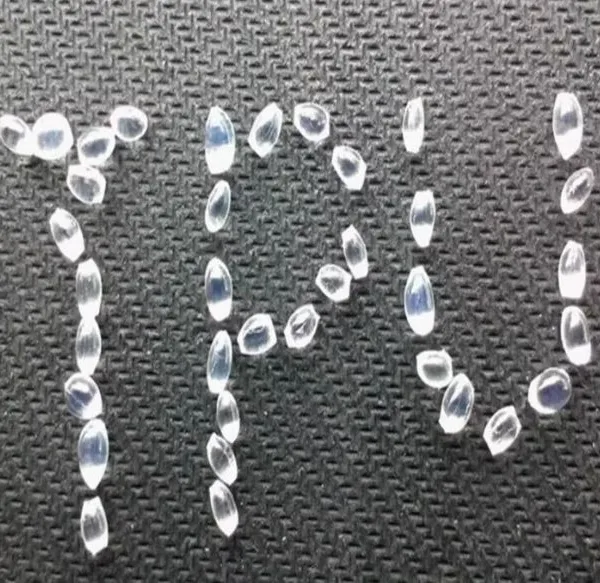 Read More
 -
How to Choose the Right TPU Grade: A Step-by-Step Selection Framework
August 28, 2026A buyer once selected a TPU grade purely by matching the Shore hardness number printed on a competitor's drawing. The part mol Read More

Contact Us
Recommended Products
-
 Thermoplastic Polyurethane TPU Resin For Printing Ink TPU GranulesUS$ 2.22MOQ: 1 Kilogram
 -
Thermoplastic Polyurethane TPU Resin For Reflective Material/TPU Granules for Adhesion to Glass Microbeads and Gold Silver Powder. US$ 2.22MOQ: 1 Kilogram
-
Tunsing DS220 TPU Polyurethane Adhesive Powder for Heat TransferUS$ 2.22MOQ: 1 Kilogram
-
Thermoplastic Polyurethane TPU Resin For Reflective Material TPU GranulesUS$ 2.22MOQ: 1 Kilogram
-
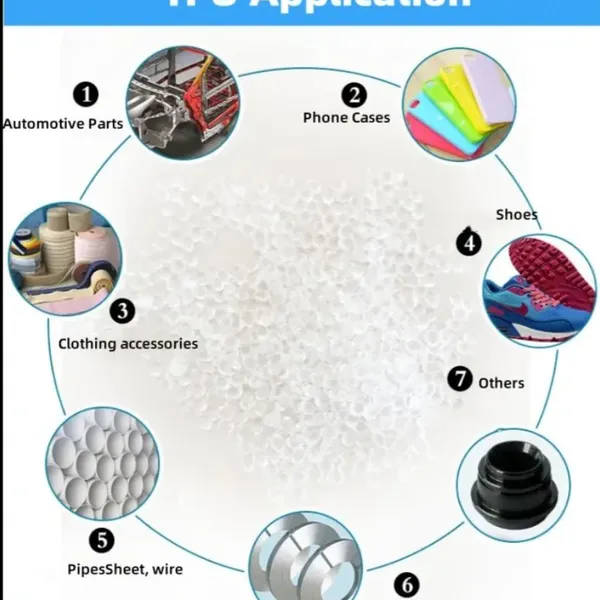
Factory Price TPU Resin TPU Granules KG Thermoplastic Polyurethane Powder for Sports Shoe Sole/Cable/Phone Case TPU PelletsUS$ 2.22MOQ: 1 Kilogram
-
Thermoplastic Polyurethane TPU Resin For Solvent-based Adhesive TPU GranulesUS$ 2.22MOQ: 1 Kilogram
-
Thermoplastic Polyurethane TPU Resin for Fire Hoses/Tpu Hot Melt AdhesivesUS$ 2.22MOQ: 1 Kilogram
-
Thermoplastic Polyurethane TPU Resin For Hot Melt Adhesive TPU GranulesUS$ 2.22MOQ: 1 Kilogram
-
Thermoplastic Polyurethane TPU Resin for Fire Hoses/Different Hardness TPU Pellets Virgin Plastic Raw MaterialUS$ 2.22MOQ: 1 Kilogram
-
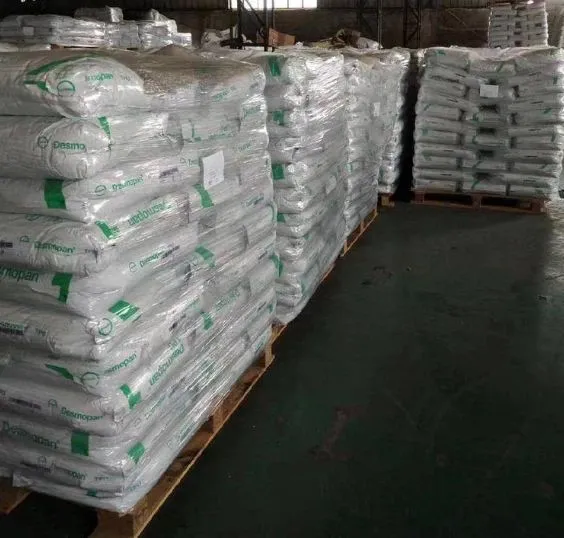
Thermoplastic Polyurethane TPU Resin For Fire Hose TPU GranulesUS$ 2.22MOQ: 1 Kilogram
-
Low Temperature Solvent Based Aliphatic Non-yellowing TPU Adhesive for Shoe TPU ResinUS$ 2.22MOQ: 1 Kilogram
-
Thermoplastic Polyurethane Glue Hot Melt Adhesive Grade High Viscosity TPU Resin For ShoesUS$ 2.04MOQ: 1 Kilogram
-
Low Temperature Hot Melt Adhesive Resin TPU Solvent Ester DissolutionUS$ 2.22MOQ: 1 Kilogram
-
Thermoplastic Polyurethane Glue Hot Melt Adhesive Grade High Viscosity TPU Resin for ShoesUS$ 2.22MOQ: 1 Kilogram
-
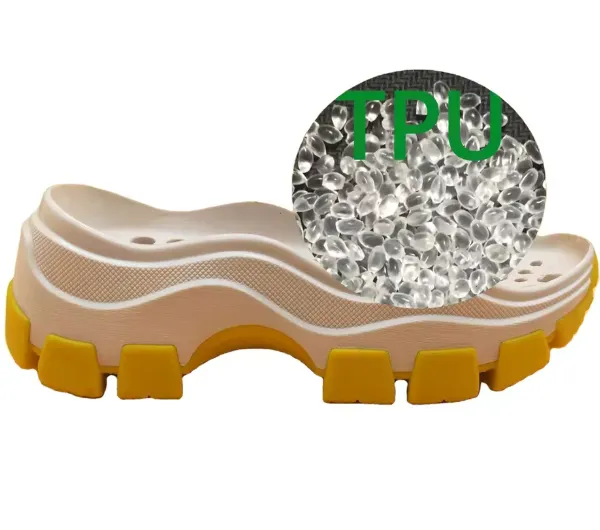
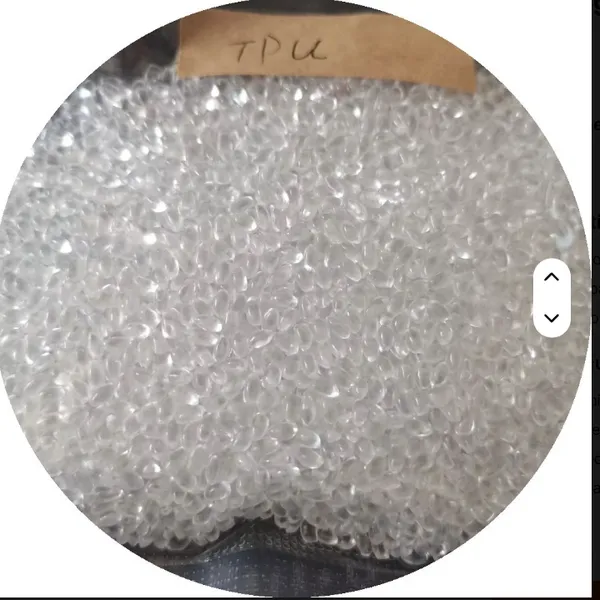
Thermoplastic Polyurethane Glue Hot Melt Adhesive Grade High Viscosity TPU Resin for ShoesUS$ 2.22MOQ: 1 Kilogram
-
Hot Melt Adhesive Grade TPU Thermoplastic Polyurethane Plastic Raw MaterialUS$ 2.22MOQ: 1 Kilogram
-
High Viscosity TPU Raw Materials Resin Adhesive Grade Thermoplastic Polyurethane TPU PelletUS$ 2.22MOQ: 1 Kilogram
-
60A-100A Low-temperature High Viscosity TPU Solvent Based Adhesive MaterialUS$ 2.22MOQ: 1 Kilogram
-
Low Temperature TPU 55A-85A Thermoplastic Polyurethane Granules TPU Resin Pellets for ShoesUS$ 2.22MOQ: 1 Kilogram
-
Thermoplastic Polyurethane Elastomer Granules TPU 65A Granules Polyurethane TPU Resin for ShoesUS$ 2.22MOQ: 1 Kilogram