Business License

Polyester-Based vs Polyether-Based TPU: Which One Fits Your Application?
A seal manufacturer once standardized on one TPU grade across all products to simplify inventory. The grade worked well in dry equipment, but seals that sat in hot, humid environments started cracking after roughly a year in service. The supplier confirmed the grade was polyester-based TPU, which hydrolyzes faster under heat and moisture.
Switching those parts to a polyether-based grade extended service life by a wide margin. That single chemistry decision is the difference between a durable product and a warranty problem, and this article explains how to make it correctly.
1. Why the Polyol Type Decides the Difference
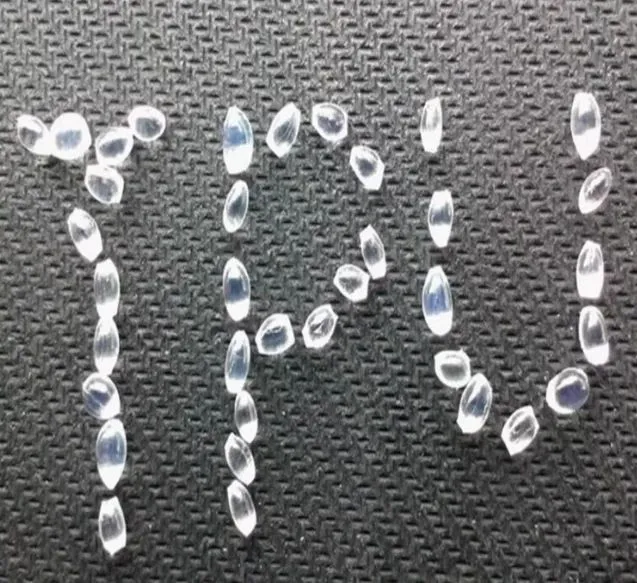
Thermoplastic polyurethane is built from hard segments and soft segments. The hard segments come from the diisocyanate and chain extender, while the soft segments come from the polyol. The polyol chemistry determines many of the properties that fail in real service: hydrolysis resistance, low-temperature flexibility, microbial resistance, and rebound.
Most commercial TPU falls into two main families: polyester-based and polyether-based. Polyester polyols are made from diacids and diols, and polyether polyols are made from alkylene oxides. Both produce a usable TPU, but the balance of properties is clearly different. Choosing between them is usually the first and most important step in grade selection.
There are also two middle-ground families worth knowing. Polycaprolactone-based TPU uses a special polyester polyol with better hydrolysis resistance, and polycarbonate-based TPU offers a strong combination of mechanicals and resistance to moisture and chemicals. Both cost more than standard grades, so they are used where the environment demands it.
2. Polyester-Based TPU: Strength and the Hydrolysis Catch
Polyester-based TPU delivers high tensile strength, excellent abrasion resistance, and good tear strength, which makes it a natural fit for industrial parts that see heavy mechanical wear. It also tends to be more affordable than polyether grades, which is why it dominates applications like conveyor components, caster wheels, and protective covers.
The catch is hydrolysis. Ester bonds can be broken by water, and the reaction accelerates with heat, so polyester-based TPU in hot, humid service loses mechanical properties over time. In accelerated tests, parts exposed to 70 to 80 °C water can lose a significant share of their tensile strength within weeks, whereas the same part in dry conditions lasts years.
That does not mean polyester-based TPU is bad. It simply means the service environment must be considered honestly. If the part is dry indoors, sees limited humidity, or is replaced frequently, polyester-based TPU is often the most economical choice with excellent performance.
In adhesive and film work, polyester-based TPU is especially common because its higher bond strength and heat resistance translate into strong, washable laminations. Textile tapes, shoe adhesives, and fabric films frequently start from polyester grades, and the ester chemistry contributes a crisp, tough bond line that many converters prefer. The same property set makes polyester-based TPU a default for high-abrasion coatings where water exposure stays low.
3. Polyether-Based TPU: Moisture Resistance and Cold Flexibility
Polyether-based TPU resists hydrolysis far better because ether bonds are much less sensitive to water. It also keeps its flexibility at low temperature, which matters for cables, hoses, and outdoor equipment used in cold regions. Microorganisms also attack ether-based polymers less readily, an advantage in soil contact or damp storage.
The trade-offs are real. Polyether grades generally show lower tensile strength and lower abrasion resistance than comparable polyester grades, and they cost more per kilogram. For a buyer comparing prices, the polyether grade can look expensive until a field failure of the cheaper option is priced in.
In practice, polyether-based TPU is the default recommendation for marine hoses, underwater cables, cold-weather gear, and any part that meets water regularly. Our team at Puyang Jialin Science and Technology Co Ltd supplies both families and frequently guides customers through this exact trade-off, because the right answer depends on the environment more than on the price list.
4. Head-to-Head Comparison
The table below summarizes the practical differences between polyester-based and polyether-based TPU. Use it as a first filter, then confirm with the specific grade's data sheet before committing.
| Property | Polyester-Based TPU | Polyether-Based TPU |
|---|---|---|
| Tensile strength | Higher, typically 40 to 70 MPa | Good, typically 25 to 50 MPa |
| Abrasion resistance | Excellent | Good |
| Hydrolysis resistance | Moderate to poor in hot humidity | Excellent |
| Low-temperature flexibility | Fair to good | Excellent |
| Microbial resistance | Moderate | Better |
| Relative cost | Lower | Higher |
| Typical uses | Wheels, covers, seals in dry service | Cables, hoses, marine and cold-climate parts |
No single row should decide the material. A part that flexes constantly and meets water needs polyether chemistry even if the price is higher. A part that sees heavy wear in a dry factory can stay with polyester and perform well for years.
5. The Middle Ground: Polycaprolactone and Polycarbonate
Polycaprolactone-based TPU is technically a polyester, but the caprolactone monomer makes the ester bond less vulnerable to water. It combines good mechanical strength with noticeably better hydrolysis resistance, and it stays flexible at low temperature. This makes it a strong candidate for demanding parts that need both wear resistance and moisture tolerance.
Polycarbonate-based TPU goes a step further on chemical resistance. It performs well against oils, fuels, and many solvents, and it maintains its mechanicals under hot, humid conditions. The main barrier is cost, so polycarbonate grades are reserved for premium applications such as medical components, high-end footwear, and oil-field parts.
For most buyers, the practical question is whether standard polyester, standard polyether, or one of these upgraded families fits the budget and the service life target. Suppliers like Puyang Jialin Science and Technology can provide comparative data across these series, which shortens the selection process considerably.
6. Mapping Applications to the Right Family
A useful shortcut is to classify your part by the three things that matter most: moisture exposure, temperature range, and mechanical loading. Dry and hot favors polyester. Wet and cold favors polyether. Wet, hot, and heavily loaded favors polycarbonate or polycaprolactone, depending on the budget.
Adhesive applications follow a similar logic. TPU hot melt adhesives for washable textiles often use polyester-based grades for their bond strength and heat resistance, while adhesives for outdoor or marine lamination lean toward polyether grades to survive humidity. The substrate and the washing conditions set the requirement, and the chemistry follows.
One more signal comes from the part's cross-section. Thick molded parts degrade from the outside in, so a polyester-based part with a 10 mm wall can hide slow hydrolysis for a long time. Thin films and coatings, by contrast, expose the entire cross-section to moisture and fail faster. Applications built around thin sections, such as adhesive films and hose liners, therefore demand stricter chemistry choices than massive molded components.
When in doubt, request a trial of both families and test under service-like conditions. Some suppliers offer small sample quantities specifically for this comparison, and running a side-by-side test costs little compared with a batch failure later.
Temperature history also interacts with the chemistry choice. A part that flexes at -30 °C will feel the difference between families immediately: polyether-based TPU stays supple, while many polyester grades stiffen noticeably. Similarly, a hot-melt adhesive line that runs at 180 °C needs a grade whose viscosity and heat stability suit the chemistry, and the polyol basis changes that window as much as the hardness does.
7. Two Field Cases
A while back, a hose manufacturer was producing a water-discharge hose with a polyester-based TPU liner. The hose performed well in tests at room temperature, but field units stored coiled in a humid warehouse developed surface crazing within months. We helped them switch the liner to a polyether-based TPU grade, and the crazing disappeared in follow-up trials.
The second case involved a caster wheel maker who had always used polyether TPU for flexibility. Their wheels wore out faster than competitors' wheels in dry factory floors. Moving to a polyester-based grade with higher abrasion resistance extended wheel life by roughly 30% and reduced the material cost per wheel at the same time.
8. How to Verify Which Type You Have
If you are holding a TPU sample without documentation, the family can usually be identified with simple tests. A drop of solvent like acetone or toluene affects polyester and polyether grades differently in some cases, but the reliable route is a lab check: infrared spectroscopy identifies the characteristic ester or ether peaks quickly.
Water immersion is another practical indicator. A small plaque of each candidate grade immersed in 70 °C water for several days will show surface degradation or embrittlement in polyester-based material long before the polyether sample changes. This rough test is not a substitute for a data sheet, but it catches gross mismatches before production.
Ask your supplier directly and ask for the polyol basis in writing. Reputable suppliers state whether a grade is polyester, polyether, polycarbonate, or polycaprolactone based, and they can provide supporting test data. We provide this information for every TPU granule we ship from our facility in Puyang.
A practical confirmation routine takes less than a day. Prepare small plaques of the candidate grades, record their initial tensile values, and float them in 70 °C water overnight. The next morning, polyester-based samples typically show a measurable drop in strength and visible surface change, while polyether samples remain close to their starting numbers. This simple screen has helped several of our customers avoid specifying the wrong family before production ramped up.
9. Sourcing Guidance for Both Families
When sourcing, define the service environment first and the price second. Collect the operating temperature range, the humidity or water contact level, the chemical exposure, and the mechanical loads. With those four inputs, a supplier can narrow the options to one family, then to a hardness range, then to a specific grade.
Request the data sheet and check the test conditions under which the numbers were measured. Compare like with like: a tensile strength measured on an injection-molded specimen differs from one measured on a film sample. Ask which standard method was used, because that is where most comparison errors come from.
Finally, plan for trials. Order a small batch of the primary candidate, process it on your actual line, and test the part under realistic conditions. Our team can suggest trial quantities and share processing guidance for both polyester and polyether series, so the evaluation runs smoothly the first time.
10. FAQ
10.1 How can I tell if my TPU is polyester-based or polyether-based?
The reliable way is to check the technical data sheet or ask the supplier for the polyol basis. If no documentation exists, infrared spectroscopy can identify the characteristic ester or ether peaks. A rough water-immersion test at elevated temperature also reveals hydrolysis differences over a few days, because polyester-based material degrades visibly faster in hot water. For a quick screening, float small plaques in 70 °C water overnight and compare the tensile values the next morning; polyester samples usually drop noticeably while polyether samples stay close to their starting numbers.
These checks are guides, not substitutes for the supplier's written specification.
10.2 Which TPU type is better for outdoor use?
For outdoor parts that meet rain, humidity, and cold, polyether-based TPU is usually the better choice because it resists hydrolysis and stays flexible at low temperature. If the part also needs high abrasion resistance and the moisture exposure is limited, a polyester-based grade can still perform well. The deciding factors are the local climate and the part's exposure level. A part mounted under a vehicle that sees road salt and spray needs the hydrolysis margin of polyether chemistry, while a sun-exposed housing that stays dry can run on polyester with UV stabilization.
Define the real exposure, then choose the chemistry.
10.3 Does polyester-based TPU always fail in humid environments?
No. Hydrolysis is a rate-dependent process, and many polyester-based parts serve for years in moderate humidity. The risk grows with temperature and moisture together, and with thinner sections that degrade faster. If the environment is hot and wet, choose polyether or polycaprolactone based chemistry; if it is mostly dry, polyester-based TPU remains a strong, economical option.
Consider the part's cross-section too, because thin films and liners expose their entire thickness to moisture and fail sooner than thick molded parts. Match the chemistry to the worst realistic condition, not the average one.
10.4 Why is polyether-based TPU more expensive?
Polyether polyols cost more to produce than standard polyester polyols, and the difference carries through to the final TPU price. The premium buys better hydrolysis resistance, low-temperature flexibility, and microbial resistance. For many buyers, the higher price is justified by fewer field failures and longer service life in demanding environments. When comparing quotes, calculate the cost per part over its expected life rather than the price per kilogram, because a polyether part that lasts twice as long can be cheaper overall.
Ask the supplier to confirm the polyol basis in writing so the price comparison is based on the right material.
Recently Posted
-
What Is Thermoplastic Polyurethane (TPU)? A Complete Guide for Industrial Buyers
August 26, 2026A converter once ordered a "soft polyurethane" pellet for a cable jacket line and received a grade that cracked in the f Read More
 -
Low Temperature TPU Material
March 30, 2026&nbs Read More
 -
TPU Adhesive for Shoe-2
March 30, 20262. Introduction to TPU adhesive raw materials for shoesPolyol (a) Polyester Polyol ◆ is formed by esterification and dehydration o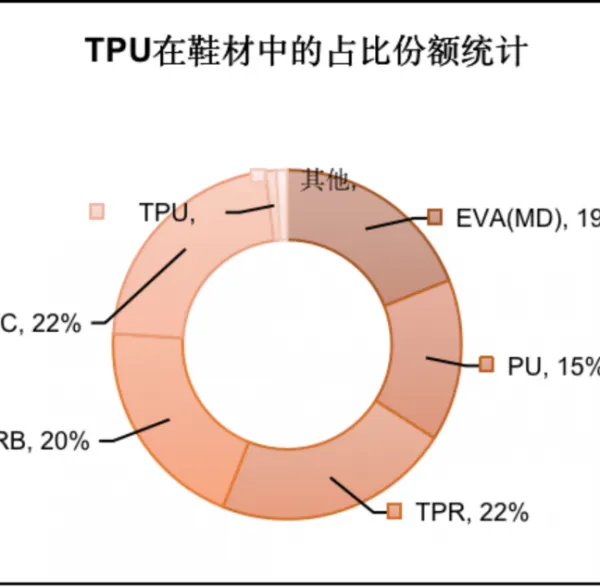 Read More
 -
TPU Adhesive for Shoe-1
March 26, 2026The adhesive used for shoemaking has evolved from early yellow rubber (chlorinated rubber), liquid glue paste (chlorinated rubber Read More

Contact Us
Recommended Products
-
 Thermoplastic Polyurethane TPU Resin For Printing Ink TPU GranulesUS$ 2.22MOQ: 1 Kilogram
 -
Thermoplastic Polyurethane TPU Resin For Reflective Material/TPU Granules for Adhesion to Glass Microbeads and Gold Silver Powder. US$ 2.22MOQ: 1 Kilogram
-
Tunsing DS220 TPU Polyurethane Adhesive Powder for Heat TransferUS$ 2.22MOQ: 1 Kilogram
-
Thermoplastic Polyurethane TPU Resin For Reflective Material TPU GranulesUS$ 2.22MOQ: 1 Kilogram
-
Factory Price TPU Resin TPU Granules KG Thermoplastic Polyurethane Powder for Sports Shoe Sole/Cable/Phone Case TPU PelletsUS$ 2.22MOQ: 1 Kilogram
-
Thermoplastic Polyurethane TPU Resin For Solvent-based Adhesive TPU GranulesUS$ 2.22MOQ: 1 Kilogram
-
Thermoplastic Polyurethane TPU Resin for Fire Hoses/Tpu Hot Melt AdhesivesUS$ 2.22MOQ: 1 Kilogram
-
Thermoplastic Polyurethane TPU Resin For Hot Melt Adhesive TPU GranulesUS$ 2.22MOQ: 1 Kilogram
-
Thermoplastic Polyurethane TPU Resin for Fire Hoses/Different Hardness TPU Pellets Virgin Plastic Raw MaterialUS$ 2.22MOQ: 1 Kilogram
-
Thermoplastic Polyurethane TPU Resin For Fire Hose TPU GranulesUS$ 2.22MOQ: 1 Kilogram
-
Low Temperature Solvent Based Aliphatic Non-yellowing TPU Adhesive for Shoe TPU ResinUS$ 2.22MOQ: 1 Kilogram
-
Thermoplastic Polyurethane Glue Hot Melt Adhesive Grade High Viscosity TPU Resin For ShoesUS$ 2.04MOQ: 1 Kilogram
-
Low Temperature Hot Melt Adhesive Resin TPU Solvent Ester DissolutionUS$ 2.22MOQ: 1 Kilogram
-
Thermoplastic Polyurethane Glue Hot Melt Adhesive Grade High Viscosity TPU Resin for ShoesUS$ 2.22MOQ: 1 Kilogram
-
Thermoplastic Polyurethane Glue Hot Melt Adhesive Grade High Viscosity TPU Resin for ShoesUS$ 2.22MOQ: 1 Kilogram
-
Hot Melt Adhesive Grade TPU Thermoplastic Polyurethane Plastic Raw MaterialUS$ 2.22MOQ: 1 Kilogram
-
High Viscosity TPU Raw Materials Resin Adhesive Grade Thermoplastic Polyurethane TPU PelletUS$ 2.22MOQ: 1 Kilogram
-
60A-100A Low-temperature High Viscosity TPU Solvent Based Adhesive MaterialUS$ 2.22MOQ: 1 Kilogram
-
Low Temperature TPU 55A-85A Thermoplastic Polyurethane Granules TPU Resin Pellets for ShoesUS$ 2.22MOQ: 1 Kilogram
-
Thermoplastic Polyurethane Elastomer Granules TPU 65A Granules Polyurethane TPU Resin for ShoesUS$ 2.22MOQ: 1 Kilogram