Business License

TPU Hot Melt Adhesive Film in Adhesive Tapes: Performance and Bonding
A tape converter was losing a major account because their double-sided tape delaminated from a low-surface-energy fabric after a few wash cycles. The adhesive layer had been chosen for price, not for the substrate. Switching to a TPU hot melt adhesive film changed the failure mode completely: the bond held through repeated laundering, and the converter kept the account. TPU adhesive film is not the cheapest option on the market, but it solves bonding problems that cheaper chemistries cannot, and this article explains where it wins, how it performs, and how to process it.
1. What Is TPU Hot Melt Adhesive Film?
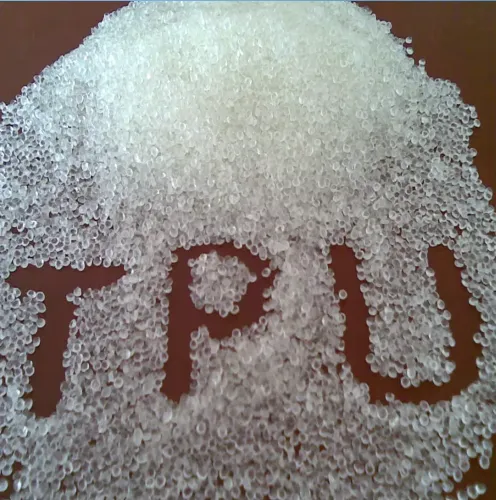
TPU hot melt adhesive film is a solid, solvent-free adhesive layer made from thermoplastic polyurethane. It is supplied as a continuous film that is activated by heat and pressure, melts onto the substrate, and sets as it cools. Because there is no solvent or water to evaporate, the bond forms quickly and the process is clean.
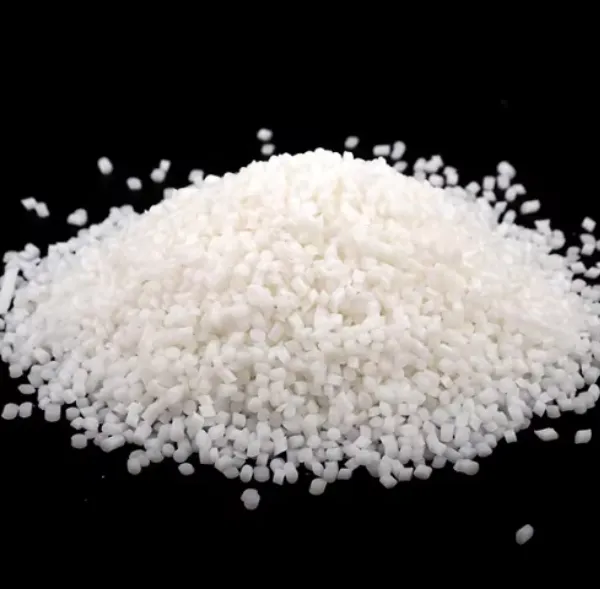
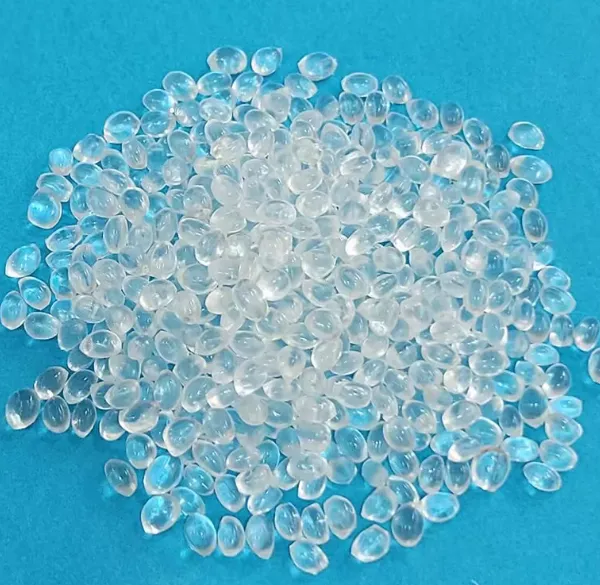
The film is made by casting or extruding TPU granules into a thin sheet, usually in thicknesses from roughly 0.02 to 0.2 mm for tape applications. The same polymer can also be supplied as powder for scatter coating, but the film form gives uniform thickness and consistent bond lines, which matters for tapes that must perform the same way every roll.
TPU film is a subset of the broader hot melt adhesive family, and it competes with polyamide and polyester films. Its advantages are flexibility, toughness, and strong adhesion to many substrates, especially textiles and leather-like materials. Puyang Jialin Science and Technology Co Ltd supplies TPU resin for hot melt adhesive film production, and converters use it to cast their own films or buy ready-made film from partners.
2. Why TPU Film Works Where Other Adhesives Fail
TPU's molecular structure gives it both flexibility and strength, which translates into a bond that can bend, stretch, and peel without letting go. Rubber-based tapes excel at peel on smooth surfaces, and acrylic tapes bond well to many plastics, but TPU film adds a toughness that survives washing, dry cleaning, and flexing cycles that defeat softer adhesives.
Adhesion to low-surface-energy materials is another strong point. Textiles, foams, and coated fabrics are notoriously hard to bond, and TPU's polar chemistry forms good interfacial contact once heat and pressure are applied. The result is a bond that survives mechanical abuse rather than failing at the interface.
TPU film is also durable under temperature swings. Depending on the grade, service temperature can span roughly -40 °C to 100 °C or more, which suits tapes used in footwear, apparel, automotive trim, and outdoor gear. The film remains flexible in the cold instead of cracking like some other adhesive systems.
Recyclability is a quieter advantage. Because TPU film contains no solvent and can be processed as a thermoplastic, production offcuts and scrap film can be collected and reground in many cases. Tape manufacturers under tightening waste-disposal rules find this easier to manage than solvent-laden waste streams from liquid adhesive lines.
3. Key Performance Properties of TPU Adhesive Film
The numbers that matter for tape buyers are bond strength, peel resistance, washing resistance, heat resistance, and flexibility. The table below summarizes typical performance across common TPU film grades used in tape and lamination work. Treat the values as orientation, since the final numbers depend on the grade, substrate, and process.
| Property | Typical Range | Why It Matters for Tapes |
|---|---|---|
| Film thickness | 0.02 to 0.2 mm | Controls bond line and stiffness |
| Activation temperature | 120 to 160 °C | Sets lamination process window |
| Bond strength | High, substrate-dependent | Determines tape reliability |
| Wash resistance | Survives repeated laundering | Key for apparel and footwear tapes |
| Low-temperature flexibility | Good to excellent | Prevents cracking in cold use |
| Heat resistance | Roughly 80 to 120 °C | Sets safe use ceiling |
Two properties deserve extra attention. First, the activation temperature must match the substrate's heat tolerance, because a film that needs 160 °C can damage a heat-sensitive fabric. Second, bond strength is substrate-dependent, so a film that excels on nylon may perform differently on a coated polyester fabric.
4. How TPU Film Is Applied in Tape Production
Tape production with TPU film typically follows a lamination process. The film is unwound together with the carrier or liner, heated to its activation range, and pressed onto the substrate under controlled pressure. The dwell time is short, usually seconds, because the hot melt sets quickly on cooling.
Temperature, pressure, and dwell time form the three process levers. Too little heat and the film does not wet the substrate, producing a weak bond. Too much heat and the film becomes too fluid, causing strike-through or edge ooze. Pressure ensures intimate contact, and dwell time allows the melt to flow into the substrate surface.
For double-sided tapes, the film is often laminated between two release liners, and for single-sided tapes it is applied directly to the backing. Some converters pre-bond the film to the backing and activate it later in the customer's own heat press, which is common in footwear and garment manufacturing.
5. Bonding to Difficult Substrates
The substrates that defeat other adhesives are where TPU film earns its reputation. Textiles with low surface energy, foam with open cells, and fabrics with water-repellent finishes all become bondable when the film is activated properly. Surface preparation still matters, but TPU tolerates imperfect surfaces better than many alternatives.
For coated fabrics, the finish chemistry decides the approach. A water-repellent coating may need a higher activation temperature or a light pre-treatment to expose a bondable surface. Testing on the actual production fabric is essential, because lab samples and production rolls often behave differently.
Foam bonding is another specialty. The film's heat can collapse foam if the process is too aggressive, so converters usually lower the temperature and extend the dwell time. The payoff is a strong, flexible bond that survives compression and shear, which is why TPU film is standard in many foam lamination lines.
For smooth plastics like polycarbonate or ABS, TPU film also bonds well in many cases, though surface cleaning and a correct activation window are required. The film's flexibility absorbs the difference in thermal expansion between the plastic and the tape backing, which reduces the stress cracking seen with brittle adhesive layers on curved parts.
6. Common Failure Modes and How to Fix Them
Delamination after washing usually means the activation temperature was too low or the dwell time too short. Raising the temperature by 10 to 20 °C and confirming full wet-out usually resolves it. Edge lifting in double-sided tapes often points to insufficient pressure at the edges or a film that is too thick for the geometry.
Strike-through appears when the film is overheated or the pressure is too high, pushing melt through the substrate. Lowering the temperature and reducing pressure, while keeping dwell time adequate, brings the bond line back to the interface. In our experience at Puyang Jialin Science and Technology, most first-run issues trace back to one of these two settings.
Bubbles in the bond line come from trapped air or residual moisture in the film. Store the film dry, warm it gradually, and use a nip roller that squeezes air out ahead of the bond front. A clean, dry process eliminates most bubble complaints without changing the material.
7. Two Cases from the Field
A while back, a footwear parts maker was bonding a TPU film tape to a knitted upper and seeing edge lift after flexing. The process ran at 140 °C with moderate pressure. We recommended raising the temperature to 150 °C and increasing nip pressure by roughly 20%, and the edge-lift issue disappeared across a trial of 500 pairs.
Another customer, an industrial tape manufacturer, needed a double-sided tape for bonding foam to coated fabric in automotive trim. They had been using a solvent-based adhesive with long drying times. Switching to TPU hot melt adhesive film cut the lamination time by more than half and eliminated solvent handling on that line, with no loss in bond strength after heat-aging tests.
8. Choosing the Right TPU Film Grade for Your Tape
Start with the substrate and the end use. Washable apparel and footwear tapes need a polyester-based or polyether-based film with good laundering resistance. Outdoor and marine tapes should lean toward polyether chemistry for hydrolysis resistance. Industrial tapes that see heat need a grade with a higher softening point.
Then set the thickness. Thicker films give stronger bonds on rough or absorbent surfaces but add stiffness and cost. Thinner films follow contours better and are more economical, so the choice depends on the surface and the bond strength required. A converter switching from another chemistry should request film samples in two thicknesses and test both.
Confirm the activation temperature fits the process and the substrate. Suppliers publish the activation range on the film data sheet, and our team at Puyang Jialin Science and Technology Co Ltd can help match a resin or film recommendation to a specific tape application, including guidance on temperature and dwell settings.
Budget is the last input. TPU film costs more than some commodity adhesive films, but the total cost per bonded part often favors it when scrap, rework, and field failures are counted. A tape that survives the customer's washing machine the first time is cheaper than a tape that needs a second run.
9. Sourcing TPU Resin for Film Production
If you produce your own film, the resin choice controls everything downstream. Polyester-based TPU resins are the common default for adhesive film because they balance bond strength, cost, and processing. Polyether-based resins bring hydrolysis resistance for demanding environments, and specialty grades cover low activation temperature or high heat resistance.
Ask the resin supplier for melt flow data and film-casting guidance, because cast film quality depends on melt stability and die settings. Consistency between batches is critical for a tape product that must perform identically roll after roll, so confirm the supplier's batch testing routine for hardness and melt index.
For converters who buy ready-made film, verify the thickness tolerance, the activation window, and the release liner compatibility. A film with tight thickness tolerance yields uniform bond lines, and a compatible liner prevents blocking in storage. Both details show up as quality problems if ignored.
10. FAQ
10.1 What temperature is needed to activate TPU hot melt adhesive film?
Most TPU films activate in the 120 to 160 °C range, depending on the grade and thickness. The activation temperature should be high enough for the film to wet the substrate but low enough to avoid damage to heat-sensitive materials. Confirm the exact range on the film's data sheet and verify it with a trial on the actual substrate. For coated fabrics or foams, start near the lower end of the range and extend the dwell time, because overheating damages the substrate faster than it improves the bond.
Record the temperature, pressure, and dwell time used in the successful trial so production can reproduce it.
10.2 Can TPU adhesive film survive washing and dry cleaning?
Yes, and this is one of its main advantages. Polyester-based and polyether-based TPU films survive repeated laundering in most cases, with polyether grades adding hydrolysis resistance for harsher conditions. The bond quality still depends on correct activation, so a properly laminated tape is much more wash-durable than a poorly processed one. Run the wash test with the detergent, temperature, and cycle count used in real service, because results differ between gentle and industrial cycles.
If edge lifting appears after washing, check the activation temperature and edge pressure first, since both are common causes.
10.3 Is TPU film better than liquid adhesive for tape production?
It depends on the product. TPU film gives a consistent, solvent-free bond line, fast processing, and no drying time, which suits continuous lamination. Liquid adhesives offer more flexibility in coating weight and pattern but add drying or curing steps and solvent handling. For clean, uniform, wash-durable bonds, film is often the simpler route.
If the product needs selective coating or varies the adhesive thickness across the part, liquid systems are more flexible. Compare the total process cost, including drying, ventilation, and waste handling, before choosing between the two routes.
10.4 How should TPU adhesive film be stored?
Store the film in a cool, dry place, ideally below 30 °C, and keep it in its sealed packaging until use. Moisture absorption can cause bubbles during activation, and prolonged heat can cause blocking between layers. Follow the supplier's shelf-life recommendation, typically six to twelve months from production under proper storage. Remove only the quantity needed for the shift and reseal the rest, because exposed film absorbs moisture quickly in humid environments.
If stored film has been open for a long time, run a small test before the production batch to confirm it still activates cleanly.
Recently Posted
-
TPU Shore Hardness 60A–100A: What Each Range Means for Processing
August 31, 2026A converter received a TPU order specified as "80A" and assumed every 80A grade would process the same way. The first tr Read More
 -
How to Choose the Right TPU Grade: A Step-by-Step Selection Framework
August 28, 2026A buyer once selected a TPU grade purely by matching the Shore hardness number printed on a competitor's drawing. The part mol Read More
 -
Polyester-Based vs Polyether-Based TPU: Which One Fits Your Application?
August 27, 2026A seal manufacturer once standardized on one TPU grade across all products to simplify inventory. The grade worked well in dry equ Read More
 -
What Is Thermoplastic Polyurethane (TPU)? A Complete Guide for Industrial Buyers
August 26, 2026A converter once ordered a "soft polyurethane" pellet for a cable jacket line and received a grade that cracked in the f Read More

Contact Us
Recommended Products
-
 Thermoplastic Polyurethane TPU Resin For Printing Ink TPU GranulesUS$ 2.22MOQ: 1 Kilogram
 -
Thermoplastic Polyurethane TPU Resin For Reflective Material/TPU Granules for Adhesion to Glass Microbeads and Gold Silver Powder. US$ 2.22MOQ: 1 Kilogram
-
Tunsing DS220 TPU Polyurethane Adhesive Powder for Heat TransferUS$ 2.22MOQ: 1 Kilogram
-
Thermoplastic Polyurethane TPU Resin For Reflective Material TPU GranulesUS$ 2.22MOQ: 1 Kilogram
-
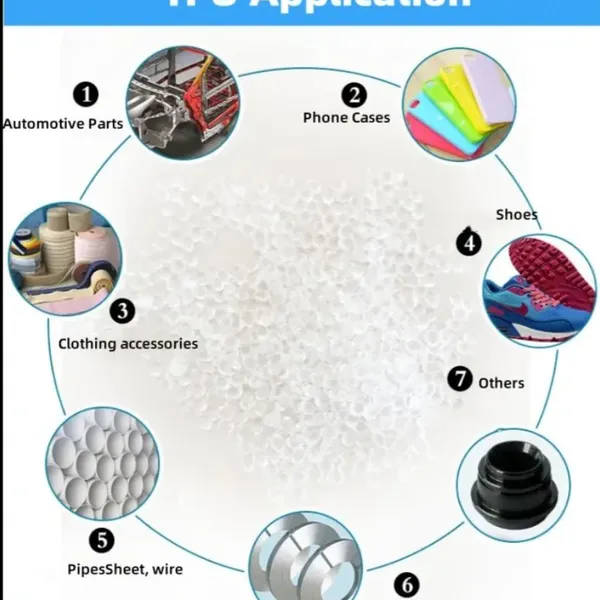
Factory Price TPU Resin TPU Granules KG Thermoplastic Polyurethane Powder for Sports Shoe Sole/Cable/Phone Case TPU PelletsUS$ 2.22MOQ: 1 Kilogram
-
Thermoplastic Polyurethane TPU Resin For Solvent-based Adhesive TPU GranulesUS$ 2.22MOQ: 1 Kilogram
-
Thermoplastic Polyurethane TPU Resin for Fire Hoses/Tpu Hot Melt AdhesivesUS$ 2.22MOQ: 1 Kilogram
-
Thermoplastic Polyurethane TPU Resin For Hot Melt Adhesive TPU GranulesUS$ 2.22MOQ: 1 Kilogram
-
Thermoplastic Polyurethane TPU Resin for Fire Hoses/Different Hardness TPU Pellets Virgin Plastic Raw MaterialUS$ 2.22MOQ: 1 Kilogram
-
Thermoplastic Polyurethane TPU Resin For Fire Hose TPU GranulesUS$ 2.22MOQ: 1 Kilogram
-
Low Temperature Solvent Based Aliphatic Non-yellowing TPU Adhesive for Shoe TPU ResinUS$ 2.22MOQ: 1 Kilogram
-
Thermoplastic Polyurethane Glue Hot Melt Adhesive Grade High Viscosity TPU Resin For ShoesUS$ 2.04MOQ: 1 Kilogram
-
Low Temperature Hot Melt Adhesive Resin TPU Solvent Ester DissolutionUS$ 2.22MOQ: 1 Kilogram
-
Thermoplastic Polyurethane Glue Hot Melt Adhesive Grade High Viscosity TPU Resin for ShoesUS$ 2.22MOQ: 1 Kilogram
-
Thermoplastic Polyurethane Glue Hot Melt Adhesive Grade High Viscosity TPU Resin for ShoesUS$ 2.22MOQ: 1 Kilogram
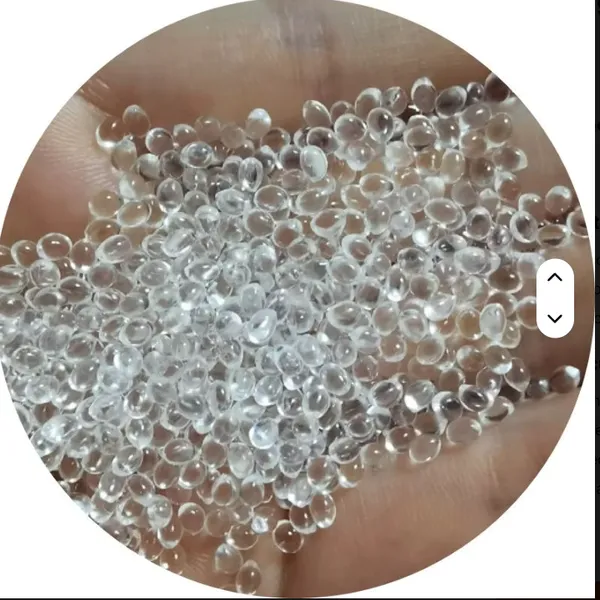
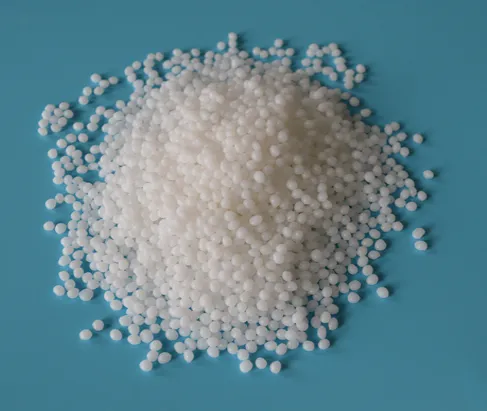
-
Hot Melt Adhesive Grade TPU Thermoplastic Polyurethane Plastic Raw MaterialUS$ 2.22MOQ: 1 Kilogram
-
High Viscosity TPU Raw Materials Resin Adhesive Grade Thermoplastic Polyurethane TPU PelletUS$ 2.22MOQ: 1 Kilogram
-
60A-100A Low-temperature High Viscosity TPU Solvent Based Adhesive MaterialUS$ 2.22MOQ: 1 Kilogram
-
Low Temperature TPU 55A-85A Thermoplastic Polyurethane Granules TPU Resin Pellets for ShoesUS$ 2.22MOQ: 1 Kilogram
-
Thermoplastic Polyurethane Elastomer Granules TPU 65A Granules Polyurethane TPU Resin for ShoesUS$ 2.22MOQ: 1 Kilogram